Her på Skagen Fuglestations blog bringes korte nyheder i dagbogsformat om hændelser på fuglestationen.
-
FORSIDE

- Blog
Imperial visit
fredag 17. april 2026
Today started as a regular calm sunny morning for both the migration and ringing teams.
The migration was rather slow, especially over the sea, but some nice species were spotted nonetheless, like Common Sandpiper (Mudderklire), a resting Golden Eagle (Kongeørn), and 4 Black-Throated Divers (Sortstrubet Lom).
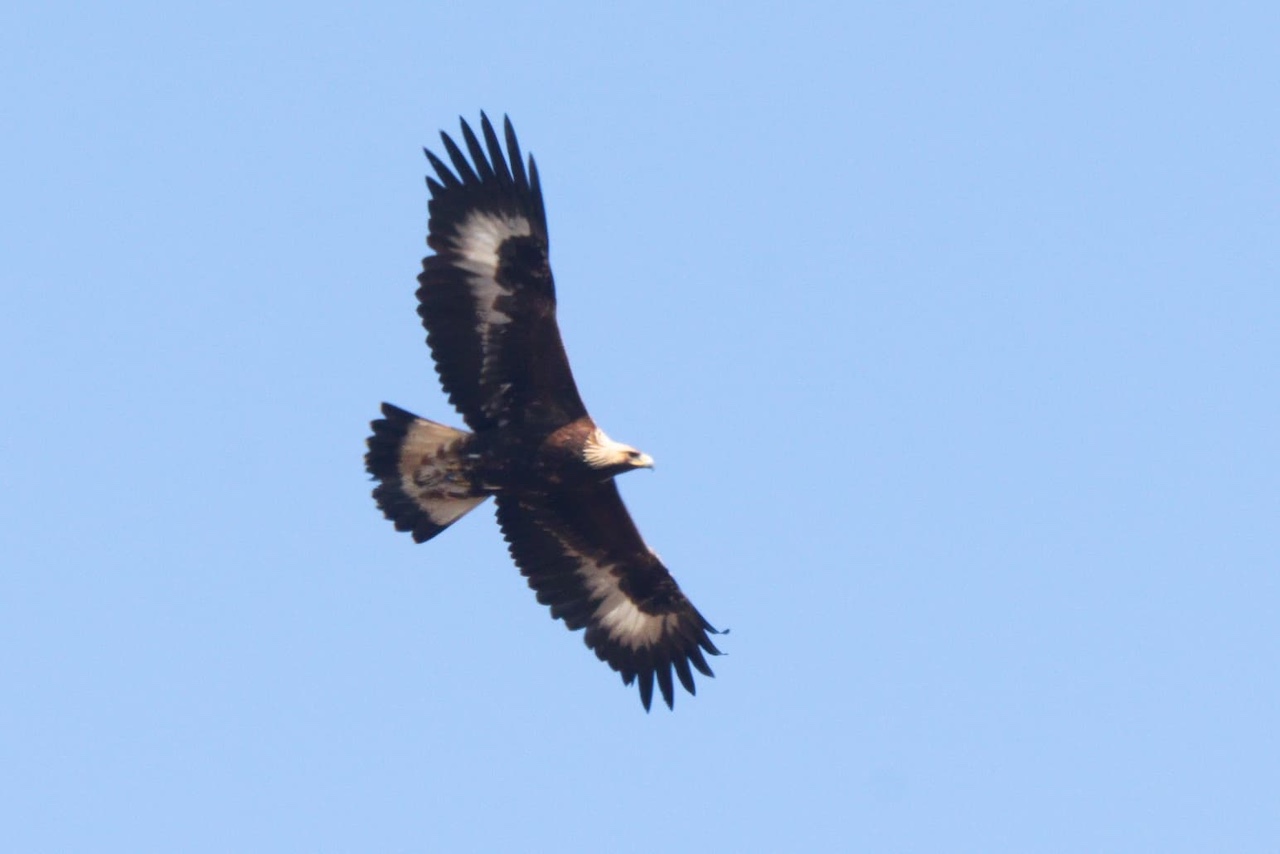 Golden Eagle
Later in the morning a White Stork (Hvid Stork) was also spotted over town and seen from Nordstrand where the observers were sitting, as well as a group of Orcas (Spækhugger) and even a Mediterranean Gull (Sorthovedet Måge) by Dylan.
Orcas at Nordstrand
Meanwhile, at the ringing, we had our usual Robins (Rødhals), Chiffchaffs (Gransanger) and Wrens (Gærdesmutte) when for two rounds in a row we caught two special birds!
The first one was a Robin (Rødhals) in mostly juvenile plumage, which is extremely early and unusual for this time of year! These birds usually show up in their juvenile plumages after leaving their nests in summer, making this individual very particular. We are unsure if this bird simply didn’t complete its post-juvenile moult, keeping its « baby » feathers, or if it is an actual early fledgling. The case of a non-completion of the post-juvenile moult would be a first for all of us, and surprised us very much.
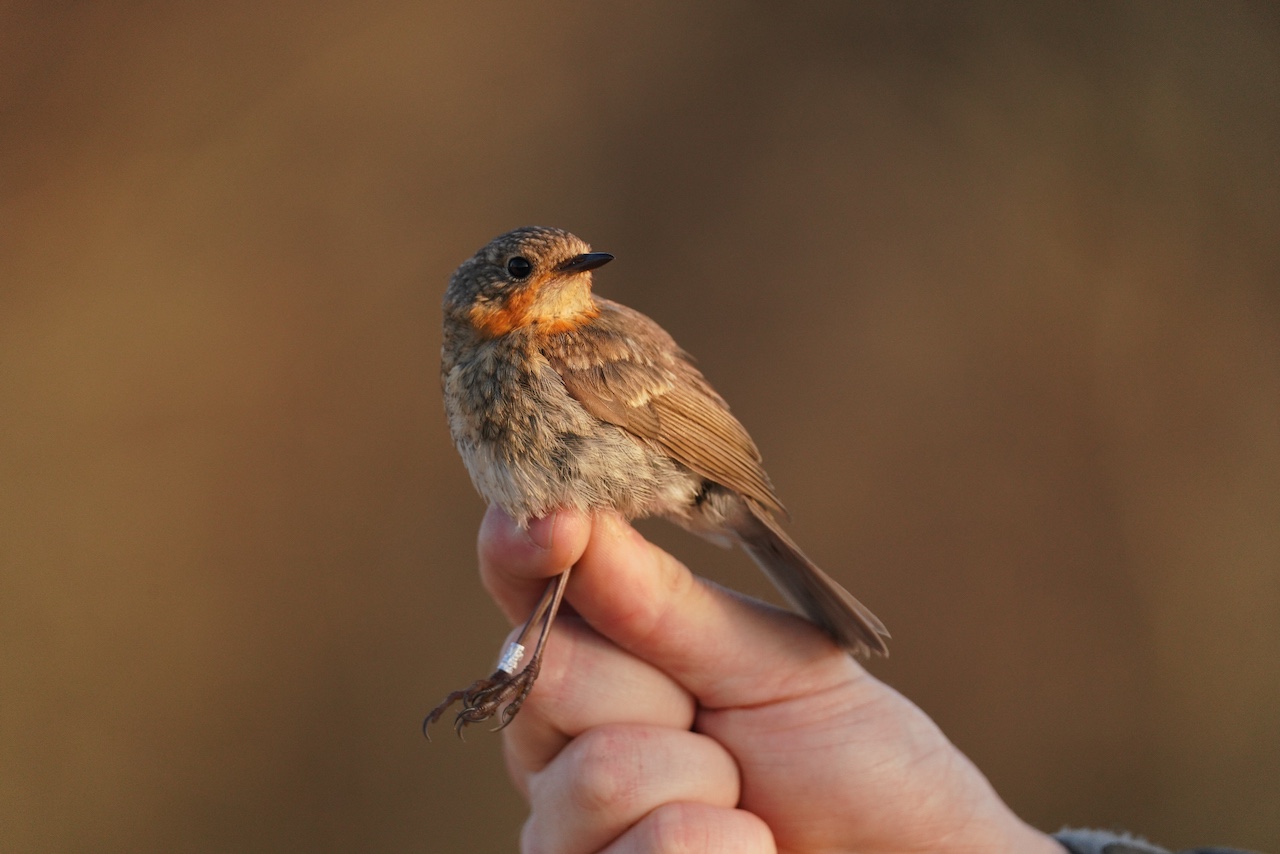
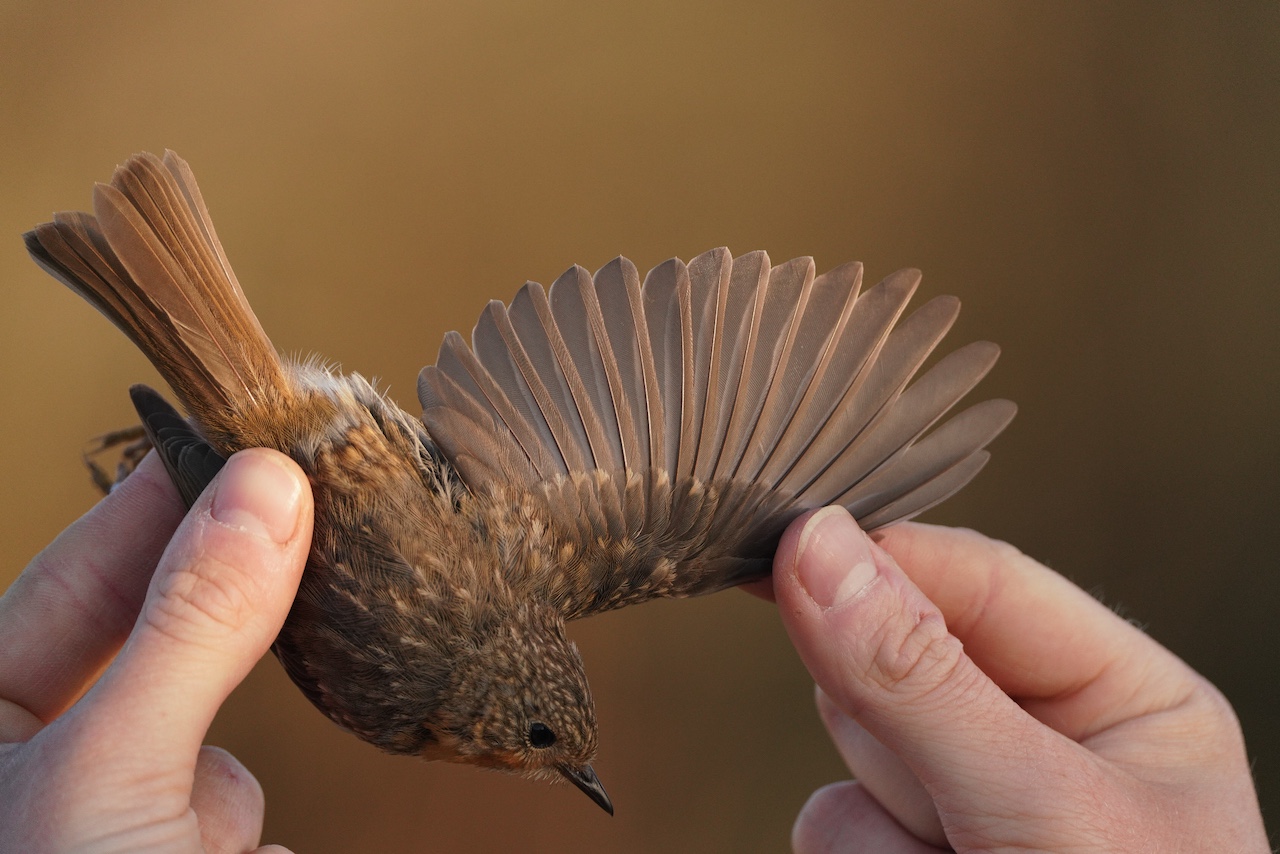 Robin (Rødhals) in mostly juvenile plumage apart from a few orange chest feathers, in mid-April!
The second bird, while less perplexing, was just as nice: a beautiful male Pied Flycatcher (Broget Fluesnapper), the first of the season. Not a very common sight in the nets, even if they do get caught from time to time.
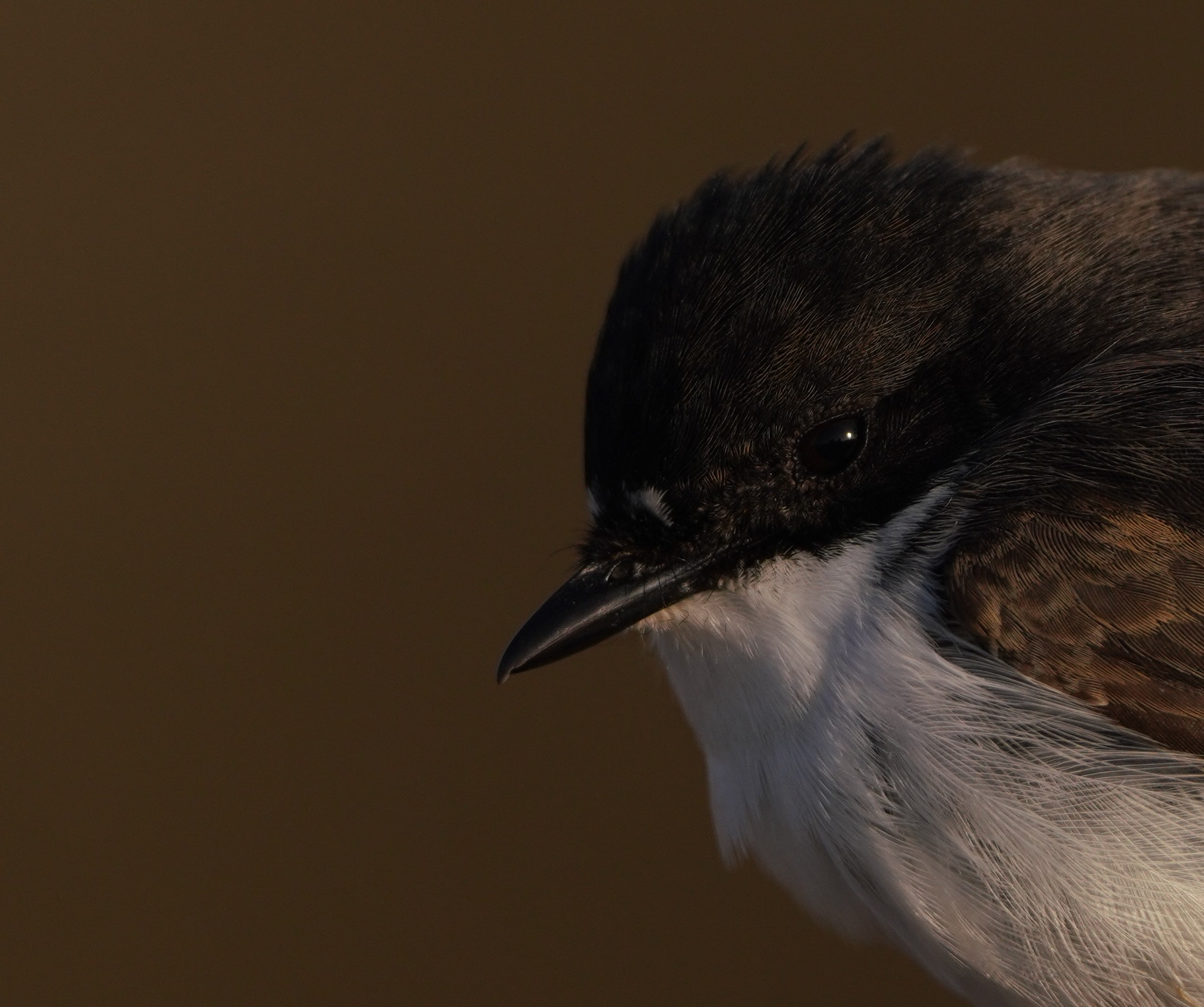 Male Pied Flycatcher (Broget Fluesnapper)
Another honorary mention would be the recapture of two Long-Tailed Tits (Halemejse), one of them being of the northern subspecies and the other of the southern subspecies. It was nice to see them next to each other! Note the presence of black on the head of the southern subspecies bird on the left of the picture.
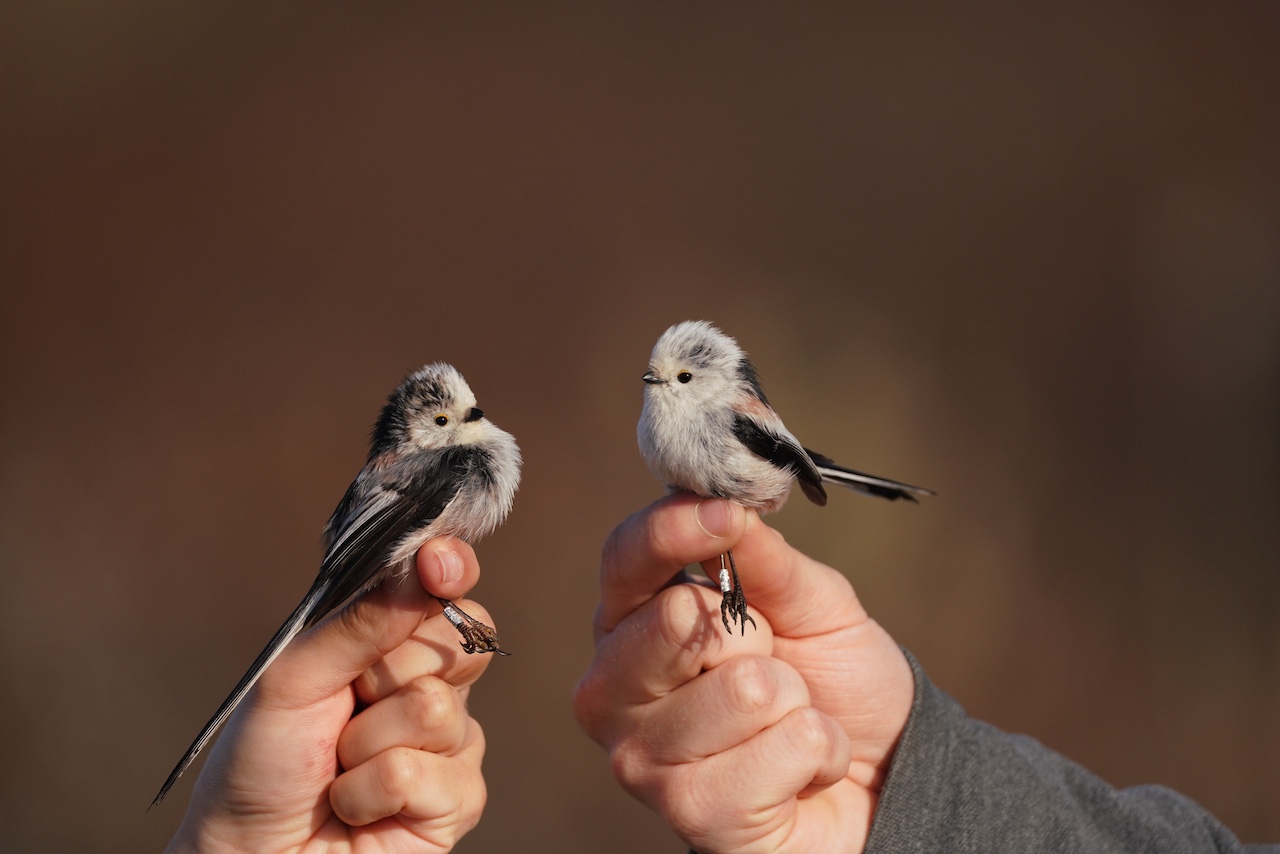 Two Long-Tailed Tits (Halemejse), Southern subspecies on the left with some black on the head, Northern subspecies on the right with a white head
In between rounds, we always keep an eye for passing birds and an ear for singing or calling birds, and we were rewarded today with a very close flyover of a Serin (Gulirisk) which we both saw and heard very well! We were really happy to see it so close and it felt like such a treat.
When our morning activities came to an end, we all made our way back home to the lighthouse when all of a sudden, the Eastern Imperial Eagle (Kejserørn) was called out and spotted south of town! Luckily Simon was here with us and we could all catch a lift to Nedermose from him and Hans, and managed to see the bird before it flew away! This was very exciting for everyone, but Simon and Lisa were particularly enthusiastic about this sighting. The bird was the same as Gustav spotted sunday on his way up here, so great that it wans'nt gone and it finally decided to pay us a visit.
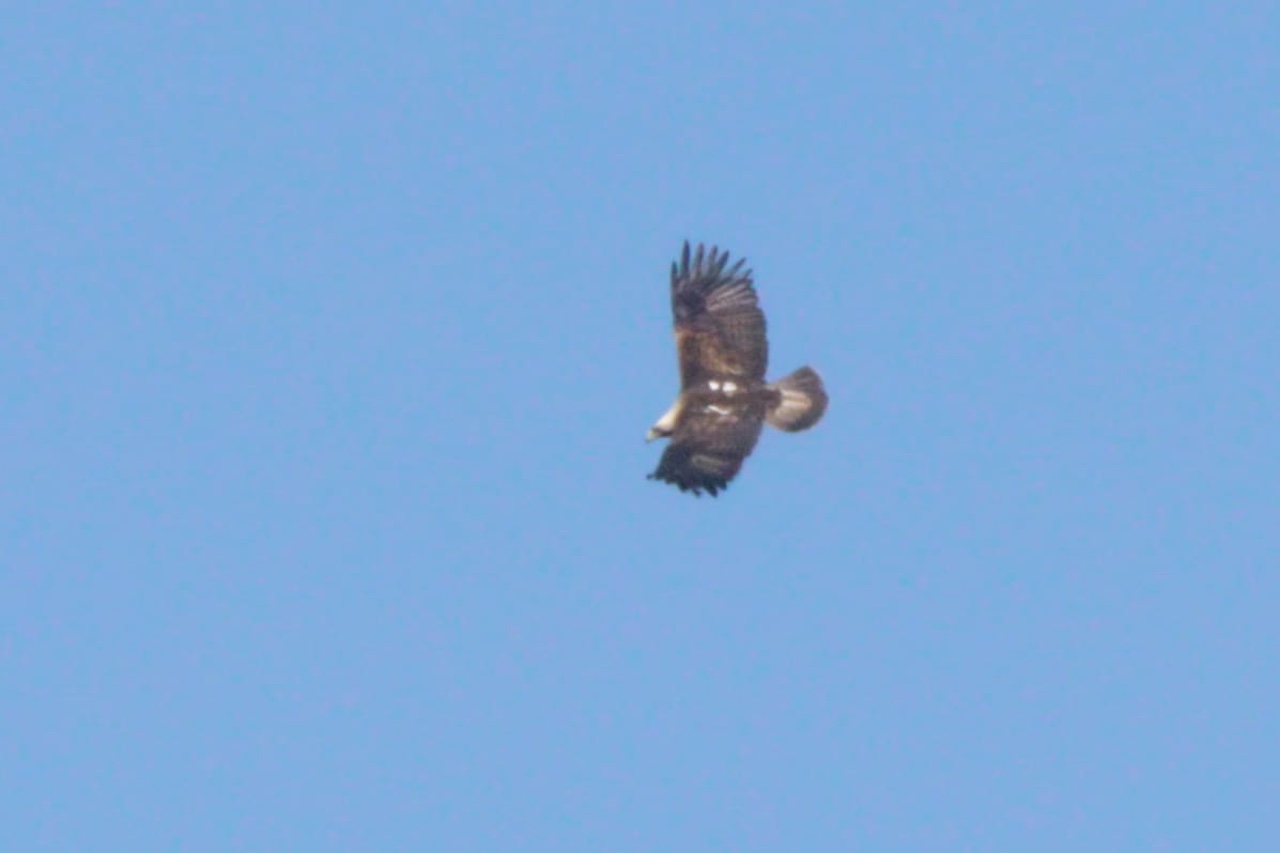
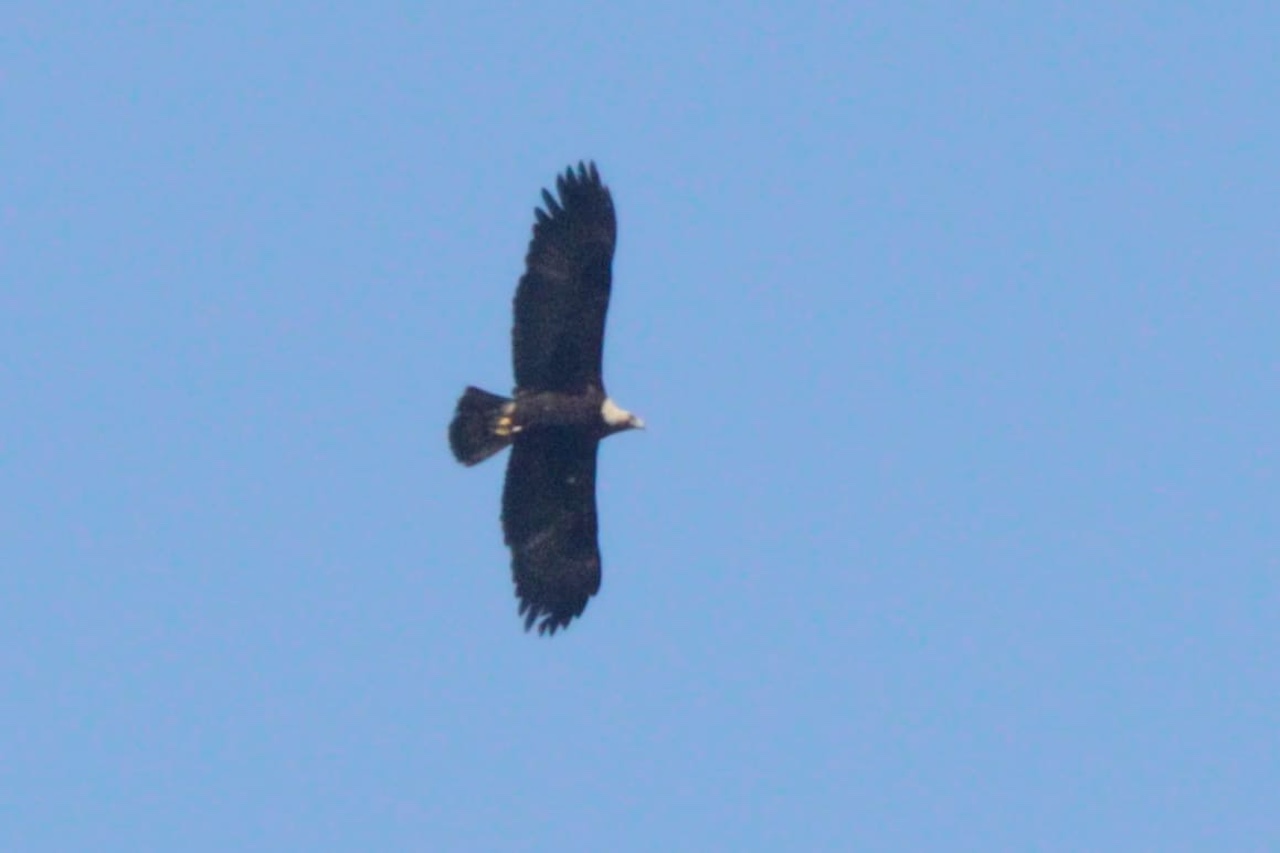 Adult Eastern Imperial Eagle (Kejserørn)
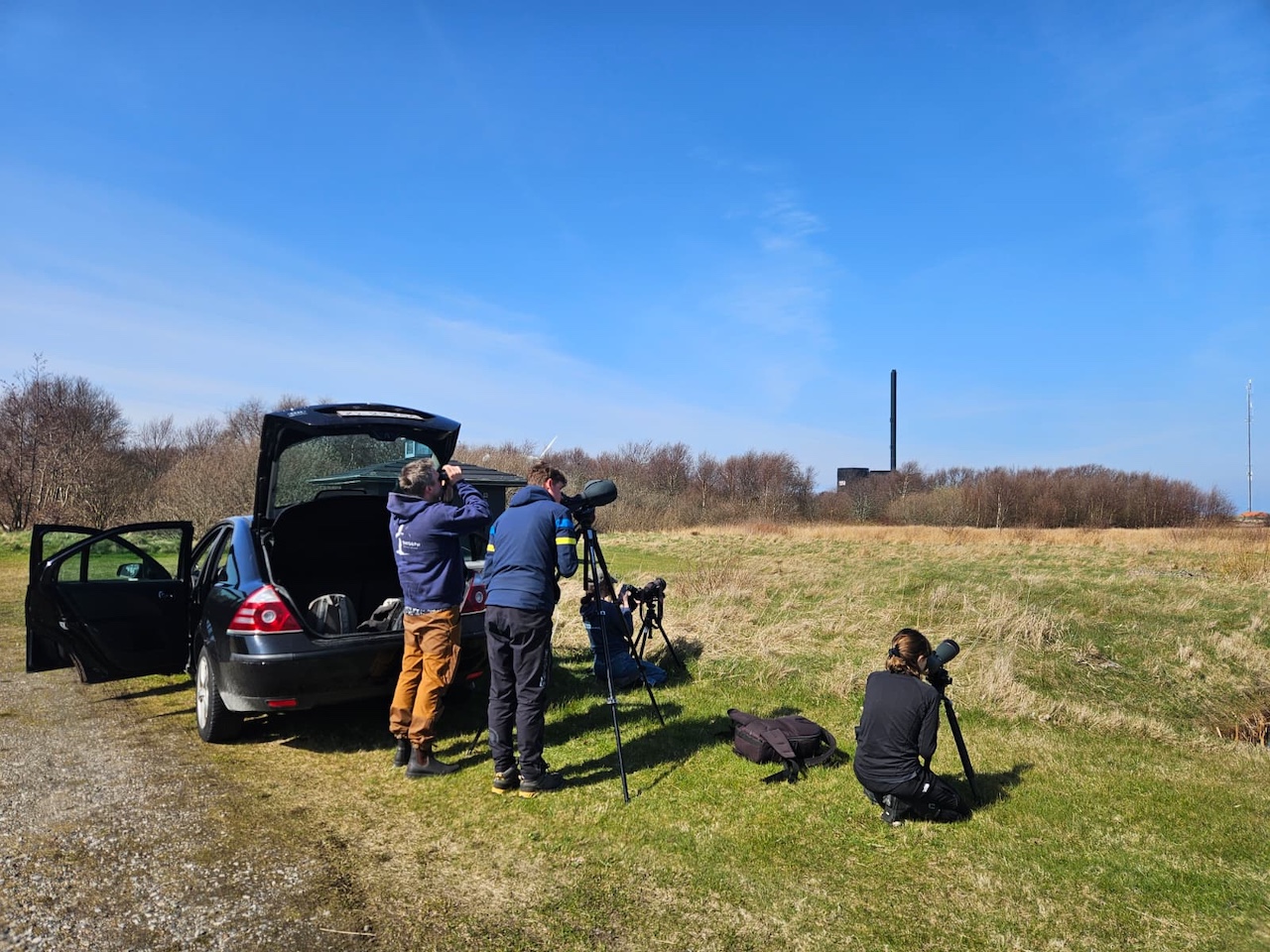 People of the station watching the Eastern Imperial Eagle (Kejserørn)
This bird was a lifer for most of us and it took us a while to calm down from this exciting adventure. It's the 11th record of Imperial Eagle for the munincipalty but only the sencond time an adult bird appear.
Video of Imperial Eagle
Later in the afternoon, Alvin went on a tour with a couple of people who were interested in seeing some raptors, and they had plenty to see on their walk together down by the military station close to Nordstrand and back.
Upon his return, we decided to check for moths our night trap may have caught, and we were greeted by 7 individuals, as follows:
Xylocampa areola - 1
Orthosia gothica - 4
Orthosia populeti - 2
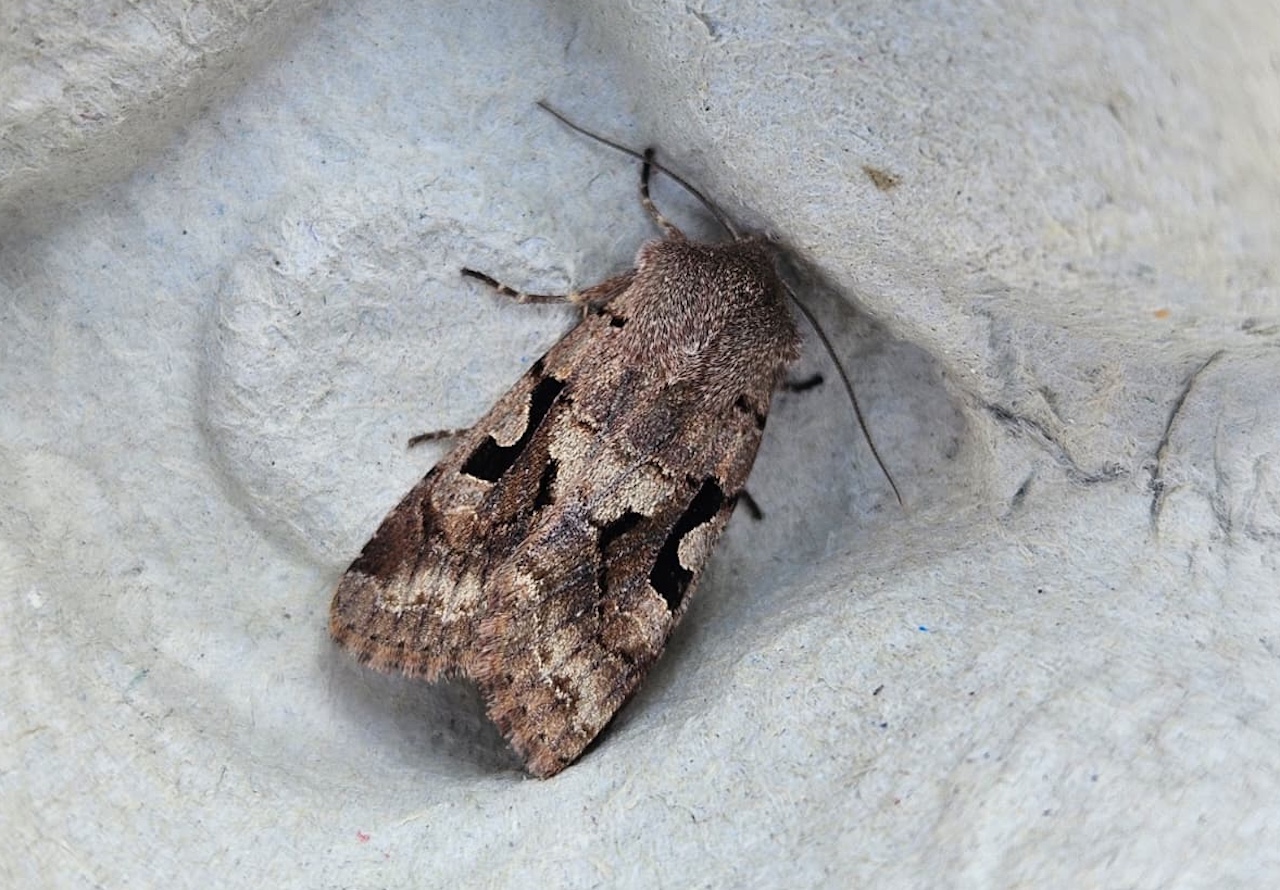 Hebrew Character, Orthosia gothica
After some rest and data tasks, some of us tried to go see a Bee-Eater (Biæder) which was spotted in town, but in vain. Simon and Lisa was lucky though to see the earliest Bee-eater in Skagen ever.
But after a nice dinner prepared by Alvin, we had a surprise visit from Simon and Lisa with Champagne to celebrate our sighting of the Imperial Eagle (Kejserørn)!
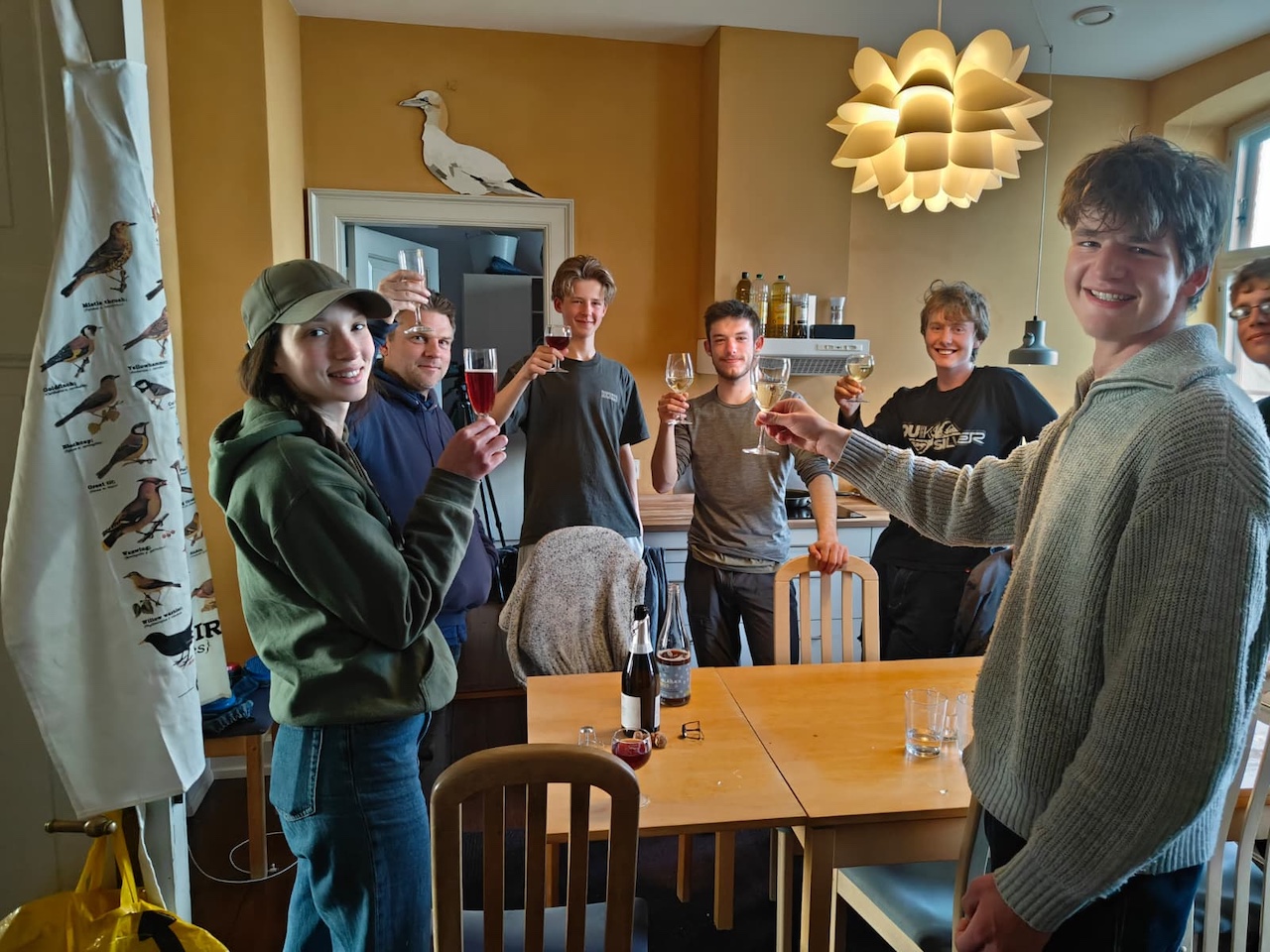 Celebration of the Imperial visit!
What started as a rather calm day ended up being very eventful and surprising and made us all very happy. We’re all looking forward to more days like these as the spring continues on :)
Highlights of today:
Eastern Imperial Eagle (Kejserørn) - 1
Pied Flycatcher (Broget Fluesnapper) - 1
Mediterranean Gull (Sorthovedet Måge) -1
Bee-Eater (Biæder) - 1
Serin (Gulirisk) - 1
Golden Eagle (Kongeørn) - 1
White Stork (Hvid Stork) - 1
Ringing Kabeltromlen
Rødhals - 29
Gærdesmutte - 2
Jernspurv - 1
Broget Fluesnapper - 1
Sortmejse - 2
Gransanger - 12
Fuglekonge - 5
Total : 52
Link to today’s observations in DOFbasen from observers in the area
Summary of today's raptor migration in DOFbasen
People at the station: Alvin Johansson, János Schadl, Alix Bortolussi, Julian Helbig, Dylan Daunt, Simon S. Christiansen, Lisa Vergin, Gustav Juel, Knud Pedersen, Hans Christophersen, Birthe Christopersen, Jørgen Hulbæk.