
Her på Skagen Fuglestations blog bringes korte nyheder i dagbogsformat om hændelser på fuglestationen.
-
FORSIDE

- Blog
Night in the Dunes
søndag 14. juni 2026
Hello everyone,
My name is Hannah, and I'm visiting my friend Julian at the Fuglestation in Skagen. I arrived on Tuesday, and since then I've been entering the world of birding. So, I'm still a beginner!
As you know from the previous blog post, we tried catching terns (Terne) during the night at the place where the North Sea and the Baltic Sea meet. We set up two nets over a small pond about 10 meters from the sea to be safe. Otherwise, the nets could have ended up in the water because of the waves and the movement of the sand. Afterwards, we returned to our base camp in the dunes and got some sleep. Every 30 minutes, someone checked the nets. Unfortunately, we didn't catch any birds at all. That was disappointing, but it was still worth the attempt.
At 3:00 in the morning, János left for Kabeltromlen to prepare the standardized ringing session, allowing the rest of us to sleep a little longer. He opened all the nets and completed the first round by himself.
One hour later, 400 meters further north, Alvin, Julian, and I closed the nets on the beach. We hadn't caught a single bird, and the wind had become too strong. We had to end the session to avoid any risk of birds being harmed in the shaking nets.
After taking down the nets, Julian and I joined János. Alvin stayed behind for migration counting. Normally, you might call someone a workaholic if they sleep at their workplace. For a birdwatcher, however, it's one of the best things in the world!
Apart from a Manx Shearwater (Almindelig Skråpe) and a Fulmar (Mallemuk), the migration count was rather slow because of the strong wind.
The situation wasn't much different 400 meters inland. In total, we caught nine birds plus one recapture. Three of them were Chiffchaffs (Gransanger), two Reed Warblers (Rørsanger), one Marsh Warbler (Kærsanger), one lesser whitethroat (Gærdesanger), one Common Redstart (Rødstjert), and one Blackcap (Munk).
Inbetween rounds, János heard a Golden Oriole (Pirol) and informed the birdwatching community via Zello. Three birders came by shortly afterwards in the hope of seeing it.
I'm really enjoying bird ringing. Walking between beautiful bushes and reed beds, carefully extracting birds from the nets and then analyzing them is a fascinating experience. I'm impressed by the knowledge and enthusiasm of everyone here.
Back at the station, a woman from Aarhus university arrived to collect some dead birds that the Fuglestation had gathered over the past months. She will examine the plastic found inside them as part of a large research project.
A few minutes later, Agnes from Sweden arrived. Welcome, dear Agnes! She will be staying with us as a volunteer for the next month.
After lunch, I showed her the cormorant lake. During the afternoon, everyone spent their time differently: taking naps, going for bird walks, working on their computers, or simply relaxing.
We enjoyed a delicious dinner cooked by János and finished the day with our usual evening meeting. Since it was Sunday, we also planned the upcoming week together on the whiteboard.
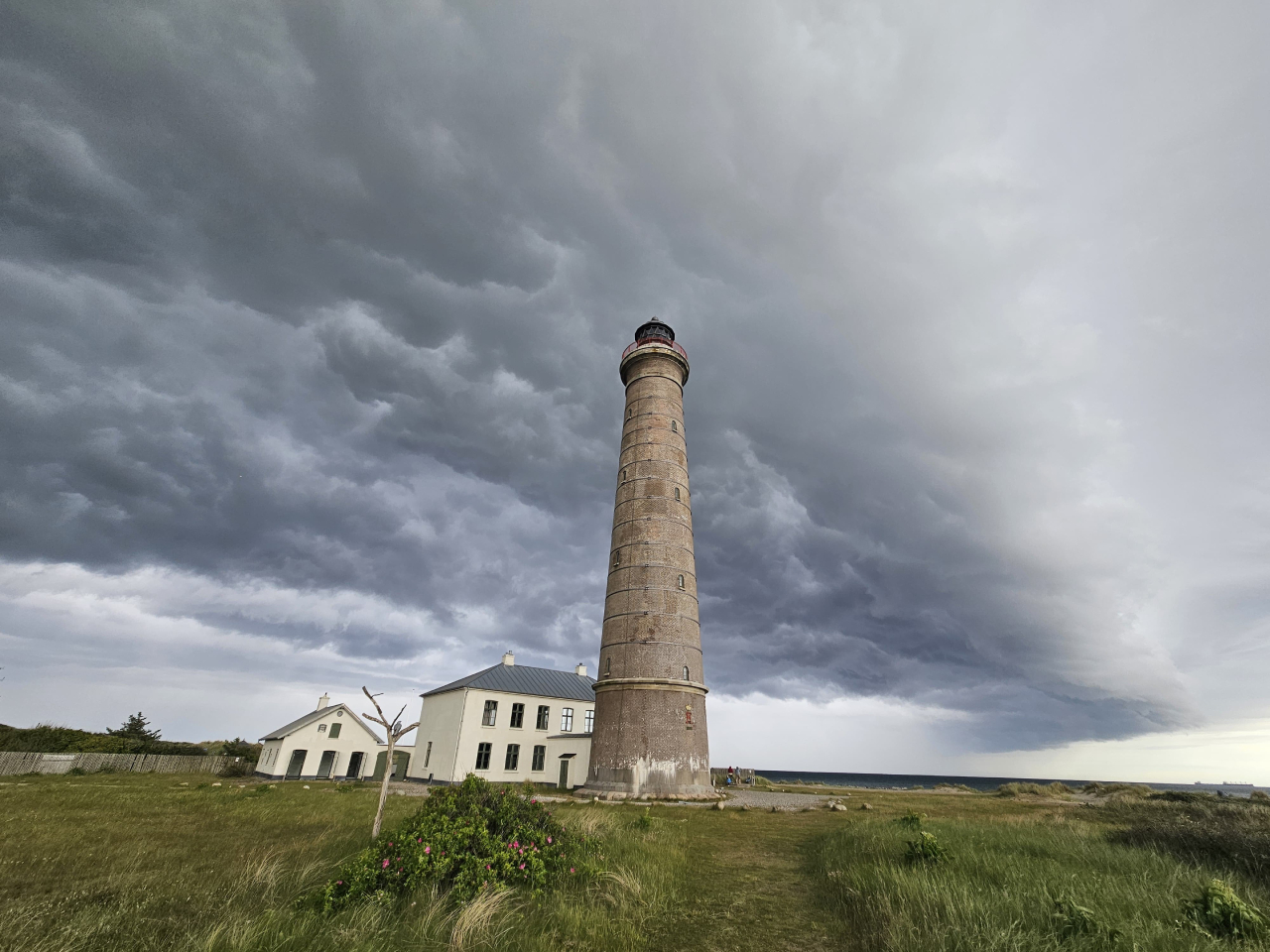
Highlights from Observations:
Manx Shearwater (Almindelig Skråpe) - 1
Fulmar (Mallemuk) - 1
Fulmar (Mallemuk) - 1
Ringing (Kabeltromlen)
Gransanger - 3
Rørsanger - 2
Kærsanger - 1
Gærdesanger - 1
Rødstjert - 1
Munk - 1
Total: 9
Gransanger - 3
Rørsanger - 2
Kærsanger - 1
Gærdesanger - 1
Rødstjert - 1
Munk - 1
Total: 9
People: Alvin Johansson, János Schadl, Julian Helbig, Mathilde Sund, Hannah Bangard, Lars Bo, Knud Pedersen