
Her på Skagen Fuglestations blog bringes korte nyheder i dagbogsformat om hændelser på fuglestationen.
-
FORSIDE

- Blog
SKAF stands for good birds
torsdag 13. august 2026
Did you know, that SKAF stands for Sleep Kisses you After Fieldwork?
To be fair – and not make fun of you, the intellectual blog reader – this is not the real definition. Some rumors even say, it simply means SKAgen Fuglestation, but let me get to my point now. Carrying out daily tasks such as ringing or counting often causes us volunteers to wake up early in the morning. The equation is easy: less sleep for more birds. One of the best examples for this trade-off is today. Are you ready for good birds, good company and no sleep?
Even the most unusual days start with committing to our standardised tasks in the early morning. With one eye open and the second one still asleep Mio and I opened nets at Kabeltromlen. On our way there we flushed a Woodcock (Skovsneppe) on the road. An unusual sighting in August. After low numbers the day before, we were enlighted by some pretty birds. One Pied Flycatcher (Broget Fluesnapper) and a young Spotted Flycatcher (Grå Fluesnapper) enhanced our mood a lot. Suddenly, Simon Sr. said “shh” and after stopping chewing on my delicious cookie also I could hear the shark calls of a Greenish Warbler (Lundsanger) just next to Kabeltromlen. Click here to listen so Simon Sr's audio recording of its calls.
Another highlight was a young Marsh Warbler (Kærsanger) and an old (4K, known age due to ring) Reed Warbler (Rørsanger). Usually their measurements of the wing length and the notch on the second outermost primary help us to verify our species identification, but interestingly both birds today had the same measurements (wing: 67 mm, Notch P9: 10 mm).
In the meantime Jule and Mio used the count to scan the flock of Gulls (Måge) and Terns (Terner) multiple times. A pretty Black-throated Diver (Sortstrubet Lom) was resting. Even though there were only a few Seabirds, the migrating Waders (Vadefugl) entertained the counters. Jule mentioned it was also really silent at World’s End 3, since there were hardly any noisy Sandwich Terns (Splitterne).
After heading back to the lighthouse to have a quick breakfast, Ole and I drove us volunteers to Vejlerne, two hours Southwest of Skagen. It’s a huge wetland area and we agreed with Knud to go there today for a fun birding trip.
Knud arrived early and watched the known Griffin Vulture (Gåsegrib) hanging in one scope field with a White-tailed Eagle (Havørn) and a Caspian Tern (Rovterne). When we arrived the Vulture was gone unfortunately and no one knew, where it went. This did not kill our mood, since there were still many birds to enjoy: Two Peregrine Falcons (Vandrefalk), a stunning flock of more than 1200 Sand Martins (Digesvale) and 450 Golden Plovers (Hjejle).
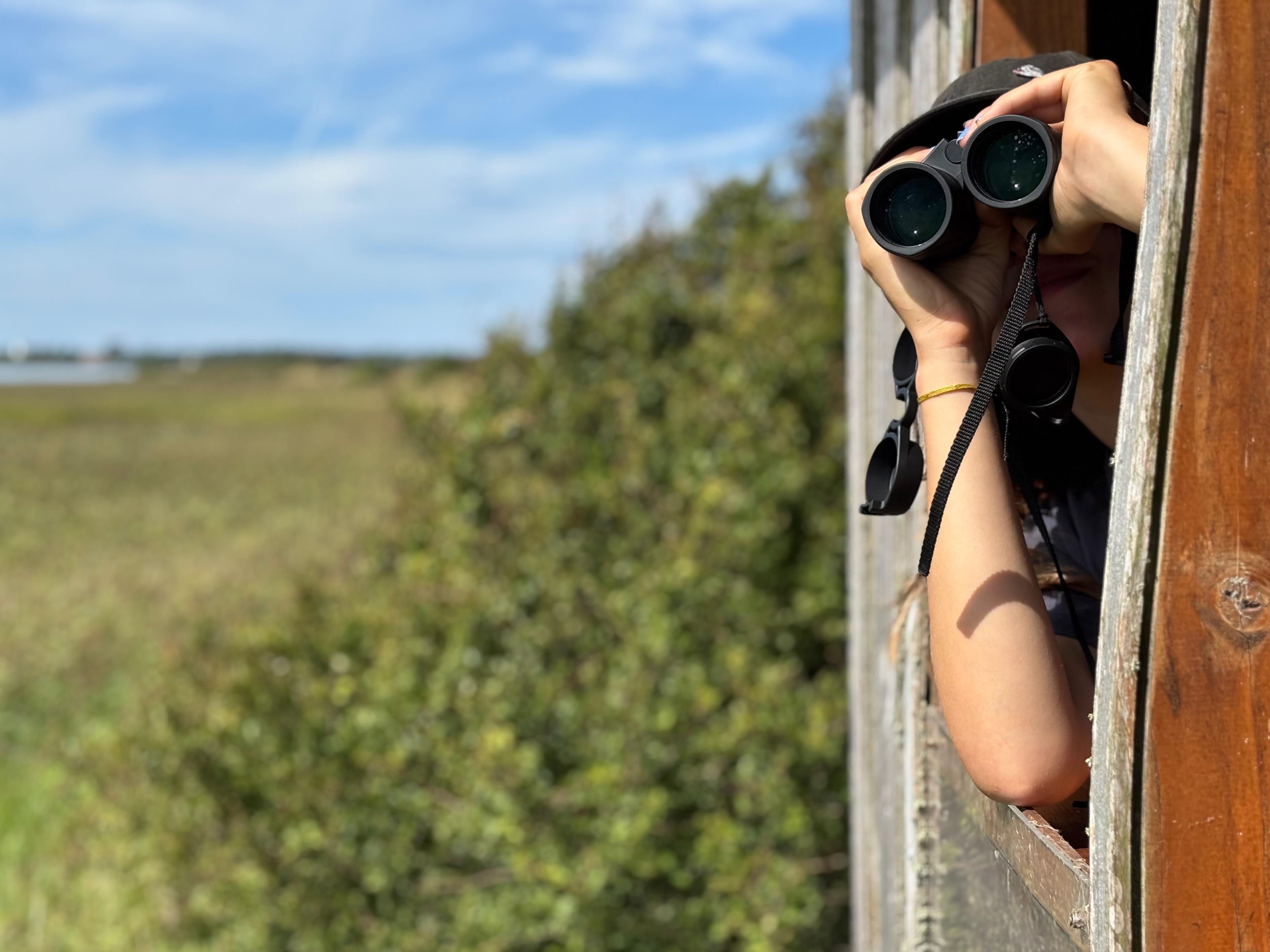 Cora watching birds.
On the way out I spotted two Clouded Yellow (Colias crocea, Orange høsommerfugl). A rare butterfly up here, that spreads north recently. On the way back to the car we saw a Scarce Cooper (Lycaena virgaureae, Dukatsommerfugl). Afterwards we went to some other spots at Vejlerne.
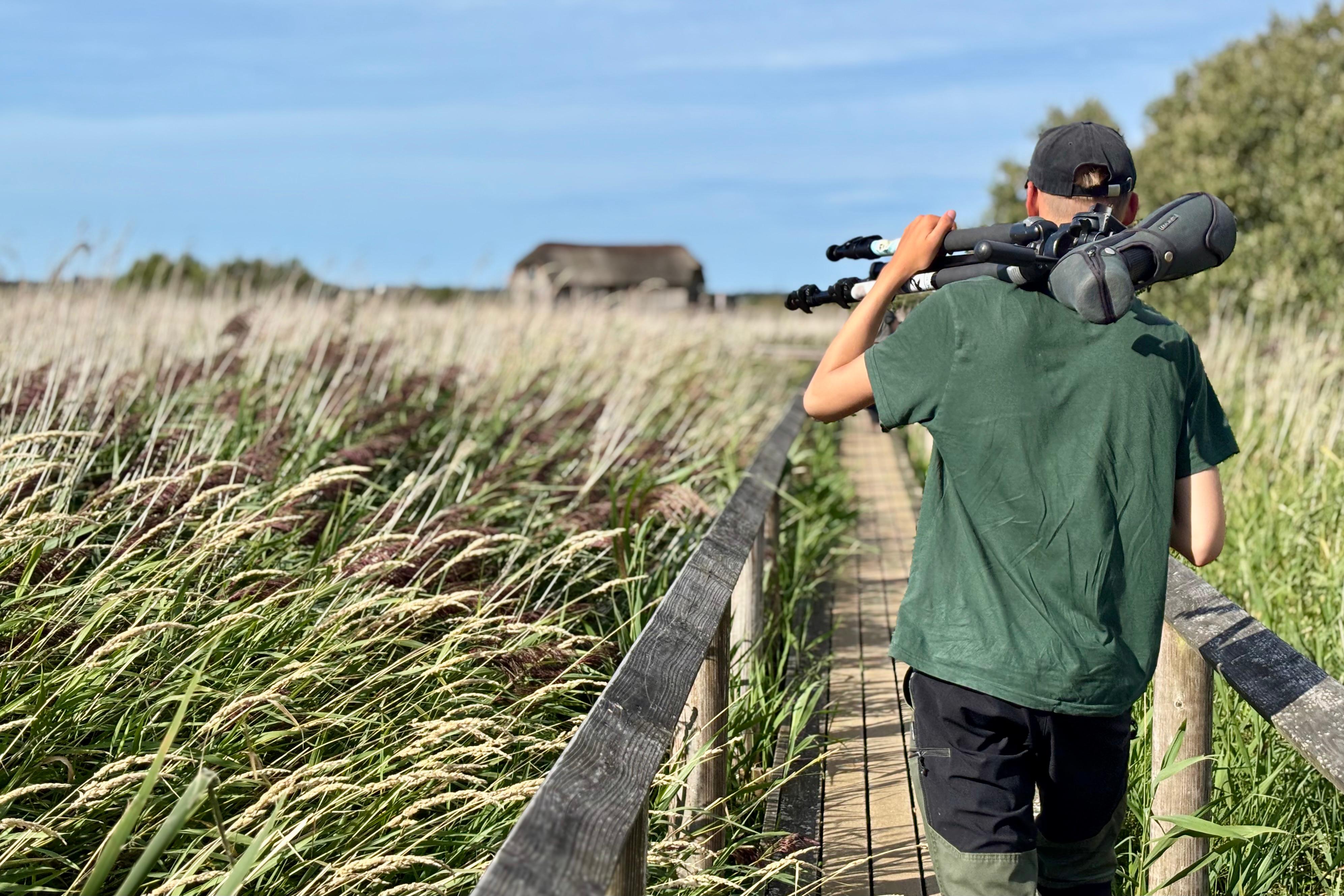 Mio on his way to the next hide.
The big highlight was a young Red-necked Phalarope (Odinshane) swimming on a pond. Super cute birds! Other good waders included three young Little Stints (Dværgryle), a Pied Avocet (Klyde) and three young Black-tailed Godwits (Stor Kobbersneppe) of which two belong to the continental subspecies limosa and one with features of the icelandic ssp. islandica.
After being awake for more than 13 hours with birds but no breaks, we stopped in a supermarket before heading back to Skagen. After arriving tired at 8 pm, we enjoyed 30 minutes of rest before setting up nets for another night of Storm-Petrel catching. Such a fun day with a variety of nice birds. This is SKAF!
Spoiler about tonight:
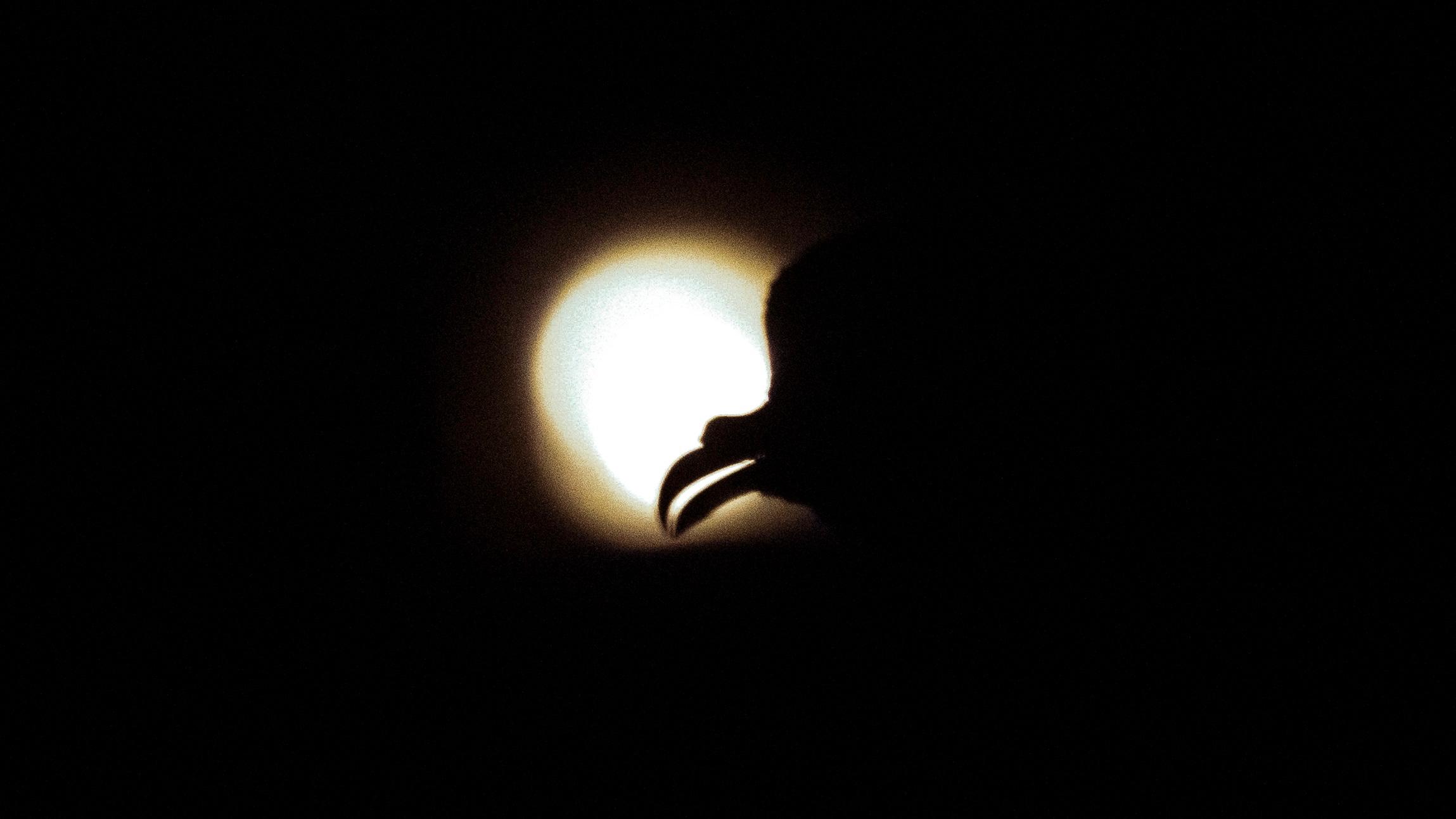 Lighthouse eclipse. Picture by Simon Kiesé
Observation highlights:
Greenish Warbler (Lundsanger) - 1
Ringing (KAB):
Chiffchaff (Gransanger) - 3
Blackcap (Munk) - 1
Reed Bunting (Rørspurv) - 1
Lesser Whitethroat (Gærdesanger) - 1
Willow Warbler (Løvsanger) - 2
Common Whitethroat (Tornsanger) - 5
Marsh Warbler (Kærsanger) - 1
Spotted Flycatcher (Grå Fluesnapper) - 1
Pied Flycatcher (Broget Fluesnapper) - 1
Total: 16
People: Mio Brix, Cora Köberle, Jule Tappe, Simon Kiesé, Simon S. Christiansen, Ole Jørgensen, Brigitte Jørgensen, Knud Pedersen, Jeppe Madsen.