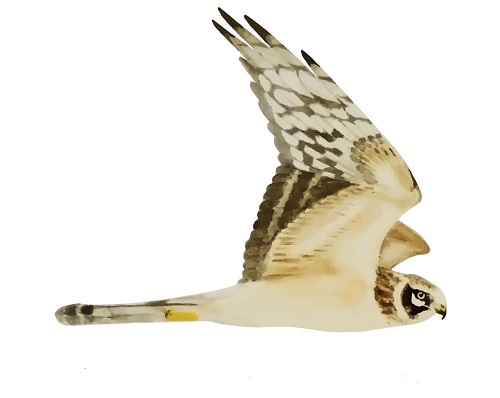

Her på Skagen Fuglestations blog bringes korte nyheder i dagbogsformat om hændelser på fuglestationen.
-
FORSIDE

- Blog
Wind and rain
onsdag 12. juni 2019
Today the weather is very bad, there is strong wind and it rains.
We take the opportunity to recover some hours of sleep in the morning.
Today is a cleaning day, in the late morning we arm ourselves with tools to clean and polish the whole house.
The afternoon pours, and it will continue to rain all evening.
Simon has a meeting with the other observatory managers during the afternoon.
Later for dinner, our guests Kirsten and Erik, prepared us a delicious roast meat meal.
Immediately after dinner we meet for the usual meeting, and plan the activities of the following days.
Tomorrow the weather will not be perfect, but it will stop raining and we could go out for observations, and ring in Grenen.
People: Dante Shepherd, Hebe Denny, Marie Heuberger, Jonas Pedersen, Michele Pes, Simon S Christiansen, Kirsten og Erik.
Almindelig Skråpe
tirsdag 11. juni 2019
In the morning, Marie, Jonas and Dante headed out to Verdenes Ende. Soon after they arrived, they saw a Almindelig Skråpe! (Manx Sheartwater) It was quite distant.. but brilliant all the same. They later also saw a Spidsand. So though the weather was a little wobbly, it was a good morning.
Meanwhile, Michele, Joakim and I were in the ringing. Weather was not on our side and we had a quiet morning with two Tornsanger in the nets, and some snoozing, though we hopefully watched some large flocks of Siskin passing over our heads!
Back at the observatory, we got on with some tasks for the day, and caught up on some sleep. Meanwhile, the guests headed out exploring and visited the art museum in Skagen.
I spent some of the afternoon then cooking dinner and after we ate, we spent a chill evening with lots of laughs reminising on the past few months. Quite a chilled and lovely day!!
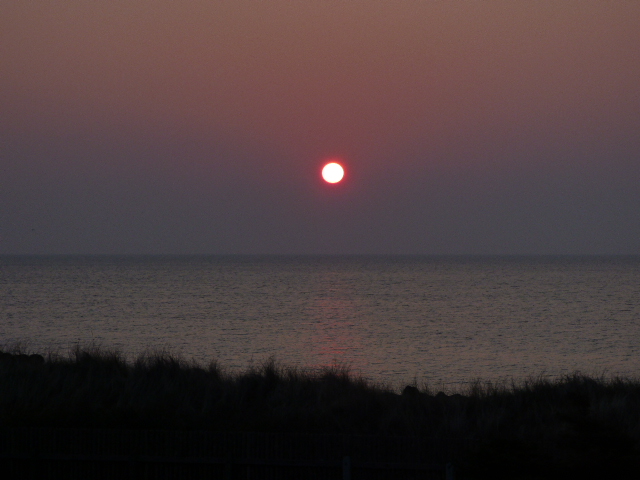
Sunrise at Grenen
Ringing (Sardinkrattet):
Tornsanger - 1
Total: 1
Folk: Dante Shepherd, Hebe Denny, Joakim Matthiesen, Marie Heuberger, Jonas Pedersen, Michéle Pes, Simon S Christiansen, Kirsten og Erik
Ringmærket ringdue!
mandag 10. juni 2019
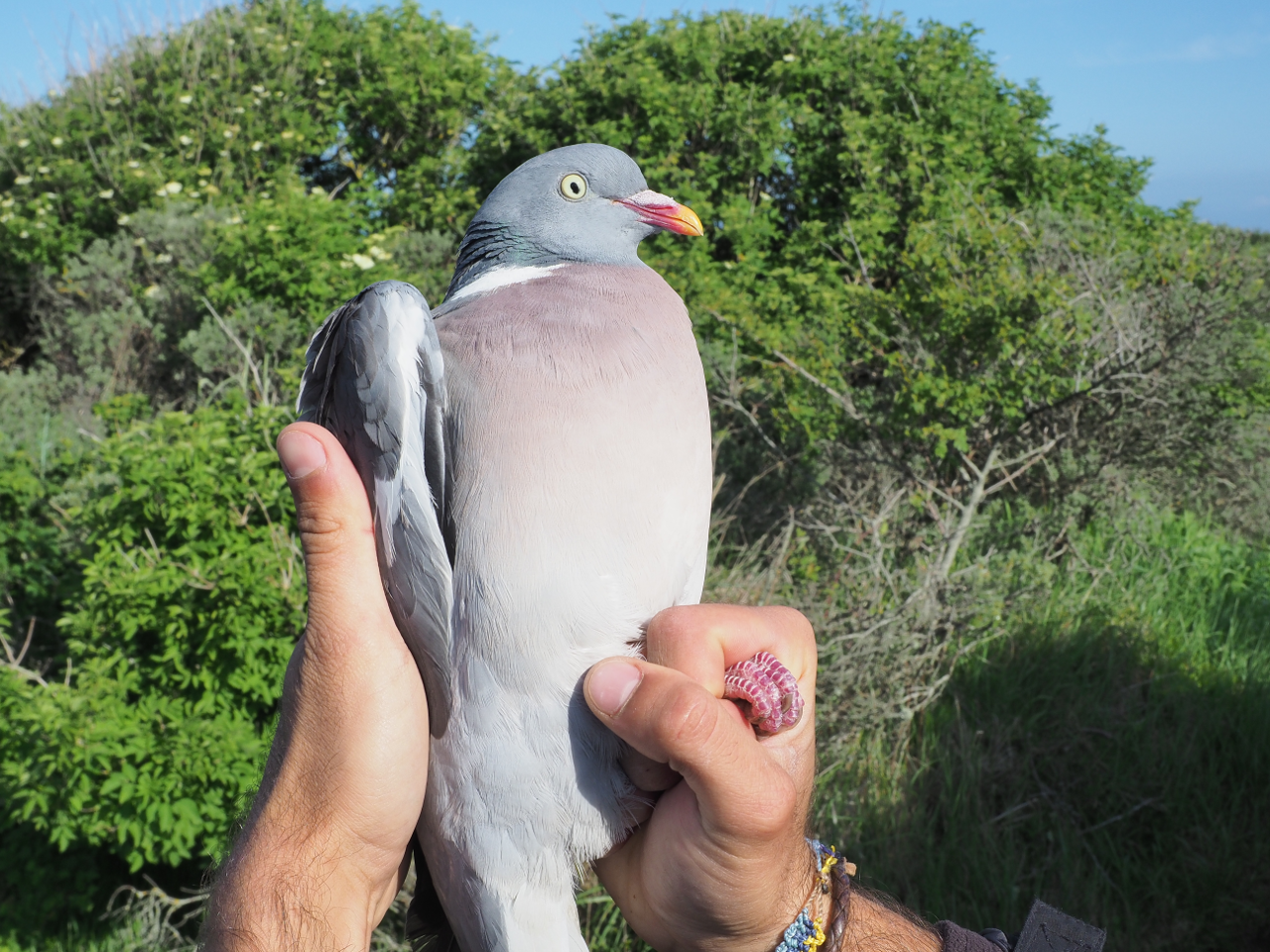
Forholdene for ringmærkning var gode, så dagen startede kl 3. Ringmærkerholdet bestående af mig, Joakim og Michele tog ud for at åbne nettene. Allerde på første runde fangede vi godt med fugle, mest bestående af rørsangere og munke. Vi havde dog noget mere held i sprøjten, da der senere var en lille gråsisken i nettet. Imens vi gjorde klar til en ny runde kunne vi pludselig høre en fugl kæmpe for at komme fri fra nettet. Til vores store overraskelse viste det sig at være en ringdue og Michele kastede sig i nettet for at fange den. Vi fik den ringmærket og slap den løs kort efter. Alt imens vi ringmærkede var Dante og Marie på grenen hvor de havde en temmelig god morgen, med 2 piroler og en turteldue. Simon og Hebe havde arrangeret en morgentur for de naturinteresserede, og de var rundt på grene og nede i sardinkrattet. Resten af dagen gik med indkøb og lidt andre småting.
Ringmærkning i sardinkrattet:
Ringdue - 1
Rødhals – 1
Kærsanger – 2
Rørsanger – 11
Tornsanger – 2
Havesanger – 1
Munk – 6
Løvsanger – 1
Lille gråsisken - 1
Total: 26
Folk: Dante Shepherd, Hebe Denny, Joakim Matthiesen, Marie Heuberger, Jonas Pedersen, Michéle Pes, Simon S Christiansen, Kirsten og Erik
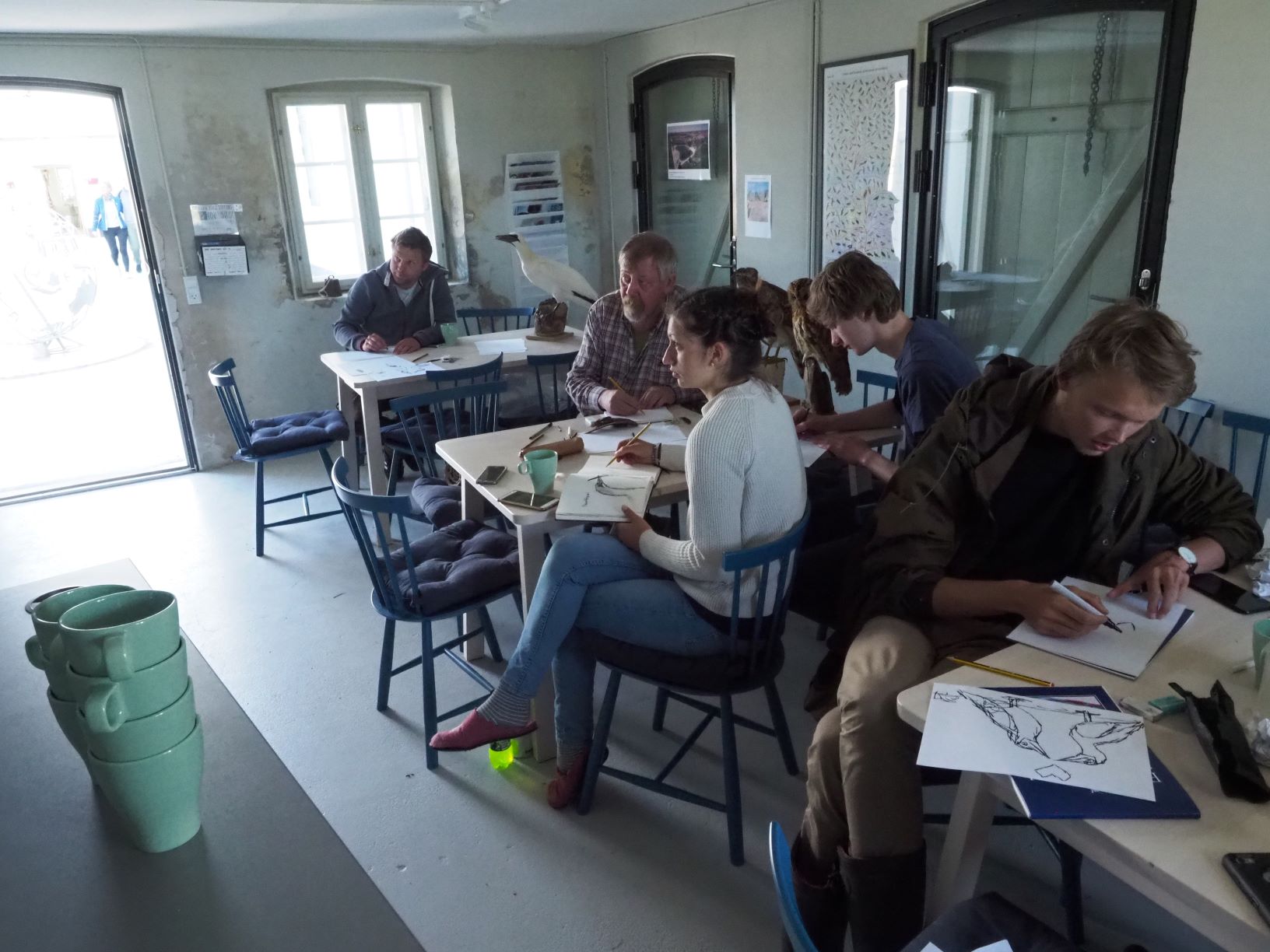
Field sketch drawing course with Hebe
søndag 9. juni 2019
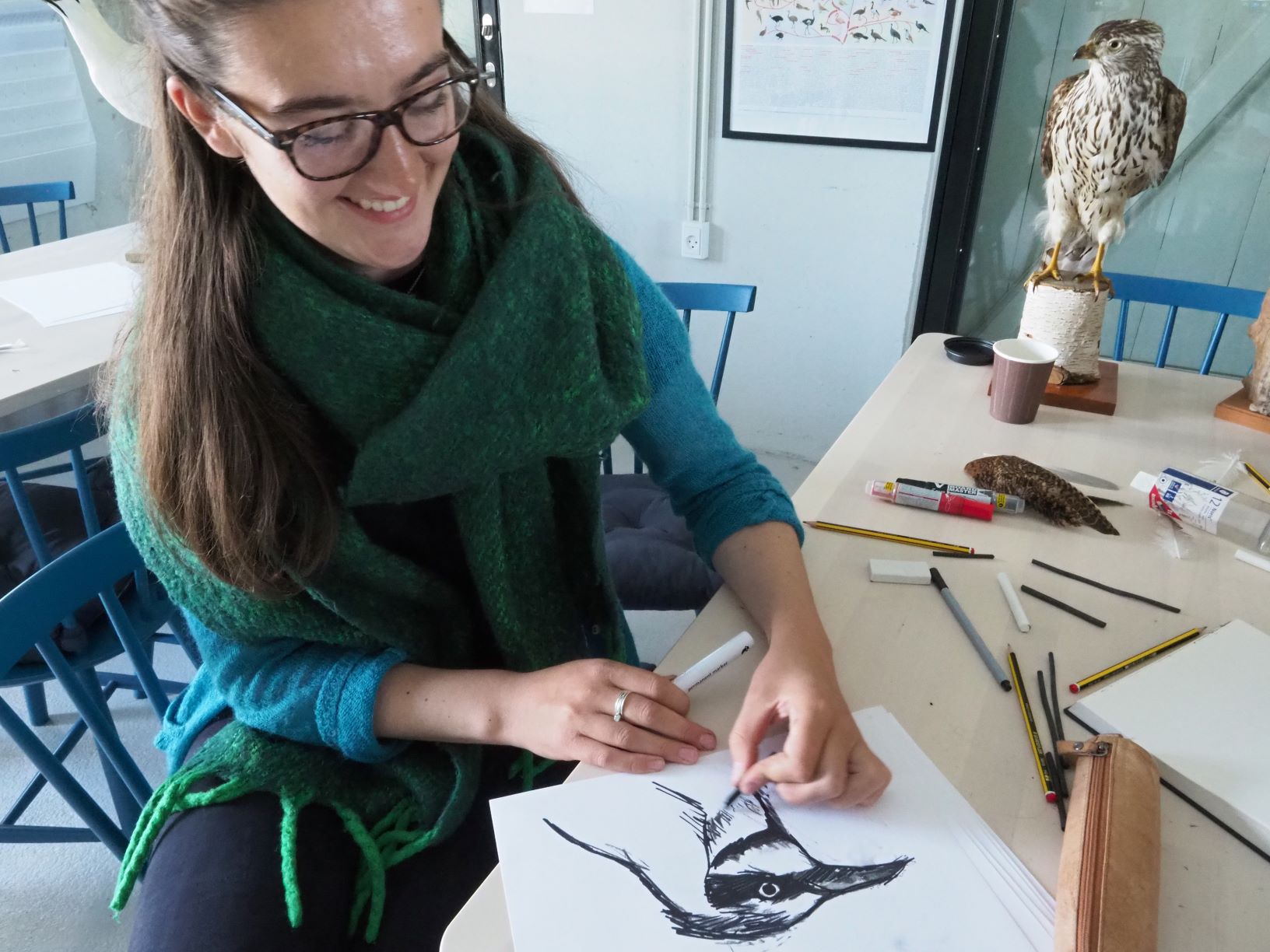
For the well established night catching team of Joakim and Dante, the day started around 12 o’clock in the night. But unfortunately they were not successful this time. Shortly after they arrived back home, Jonas (our new intern) and I went out to Grenen for observing. We should have checked the rain radar, before we left, because it started heavily raining once we arrived and not even Rolf was out. So after half an hour of rain, we went back home. Bruno and Lene left around 10 o'clock. Was nice to have you here! And thanks for the cute goodbye letter we found in our kitchen! Jonas went out again after the rain and a quiet nice morning. I also went out again but to Jennes Sø, to look for Lapwings (Vibe) and Snipes (Dobbeltbekassin), but there was nothing going on and it startd to rain again. But this meant, we could all have a cozy indoor day! Hebe used the rainy time, to prepare her drawing course in the evening and she also repaired the bike. And at 4 pm all of us gathered in Birders Club to learn from Hebe how to make quick field sketches. We started with feathers to get into it and afterwards Hebe tried a few different techniques with us. We were all very quiet and concentrated! Thanks for the course Hebe! Afterwards we had delicious Pasta with cream-meat sauce made by Simon. It was really good! Our new guests had already arrived, so they joined us for this dinner.
Ringing:
No ringing activities due to bad weather conditions!
Folk: Hebe Denny, Dante Shepherd, Joakim Matthiesen, Marie Heuberger, Michele Pes, Simon S Christiansen, Rasmus Matthiesen, Bruno og Lene, Jonas Pedersen, Kirsten og Erik Pedersen
Intense morning ringing
fredag 7. juni 2019
Stamattina I, Hebe e Rasmus hanno aperto le nebbioline a Pine e un'ora più tardi del solito perché pioveva. E 'stato un buon giorno con 35 catture e 3 ricatturazioni, con un totale di 14 specie di uccelli, tra cui un paio di shrikes redbached.
Alle 11:30 abbiamo chiuso le reti a Grenen e siamo tornati all'Osservatorio.
Alle 11:45 Rasmus e io siamo andati al lago di Jenny per incontrare Michael Ancher, per preparare le reti per la sessione di suoneria di domani al CES.
Hebe remains at the observatory to welcome visitors to the birders club.
An hour later we returned back home, load the ringing data and rest a little after lunch.
This morning Skagen Fuglestation was also part of the sport event day for school children.
Simon, Marie and Dante played a bird game with them, which did represent the food chain, with the mosquitoes and Løvsanger on the botoom and the humans on the top. But the mosquitoes was also the only one to beat the human!
Afterwards they went out for diverse observation.
In the afternoon Simon, Marie and Dante also return to the Observatory, today it is my turn to cook dinner, and I start preparing ragù for pasta.
After dinner we get together to talk about the day and plan activities for the next few days.
People: Hebe Denny, Dante Shepherd, Joakim Matthiesen, Marie Heuberger, Michele Pes, Simon S Christiansen, Rasmus Matthiesen, Michael Ancher, Bruno & Lene.
Ringing (Sardinkrattet):
- Rødrygget tornskade 3 Recaptures:
- Rørspurv 1 - Gærdesanger 1
- Skovpiber 1 - Gransanger 1
- Havesanger 2 - Tornsanger 1
- Tornsanger 1
- Munk 1
- Løvsanger 7
- Gulbug 2
- Broget fluesnapper 1
- Canzoni vocali 11
- Anelli di tubo 3
- Grøisken 1
Fino a: 35
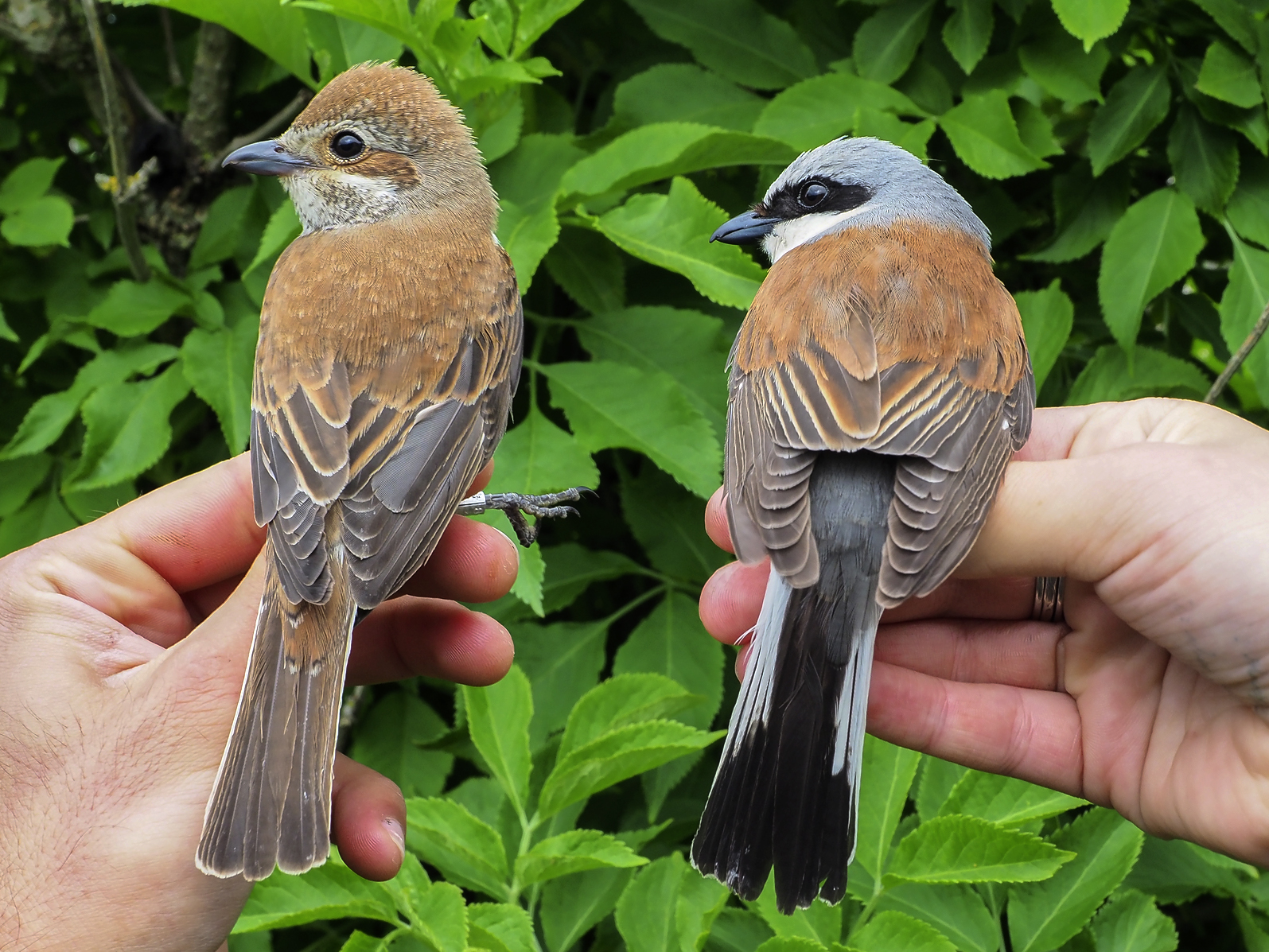
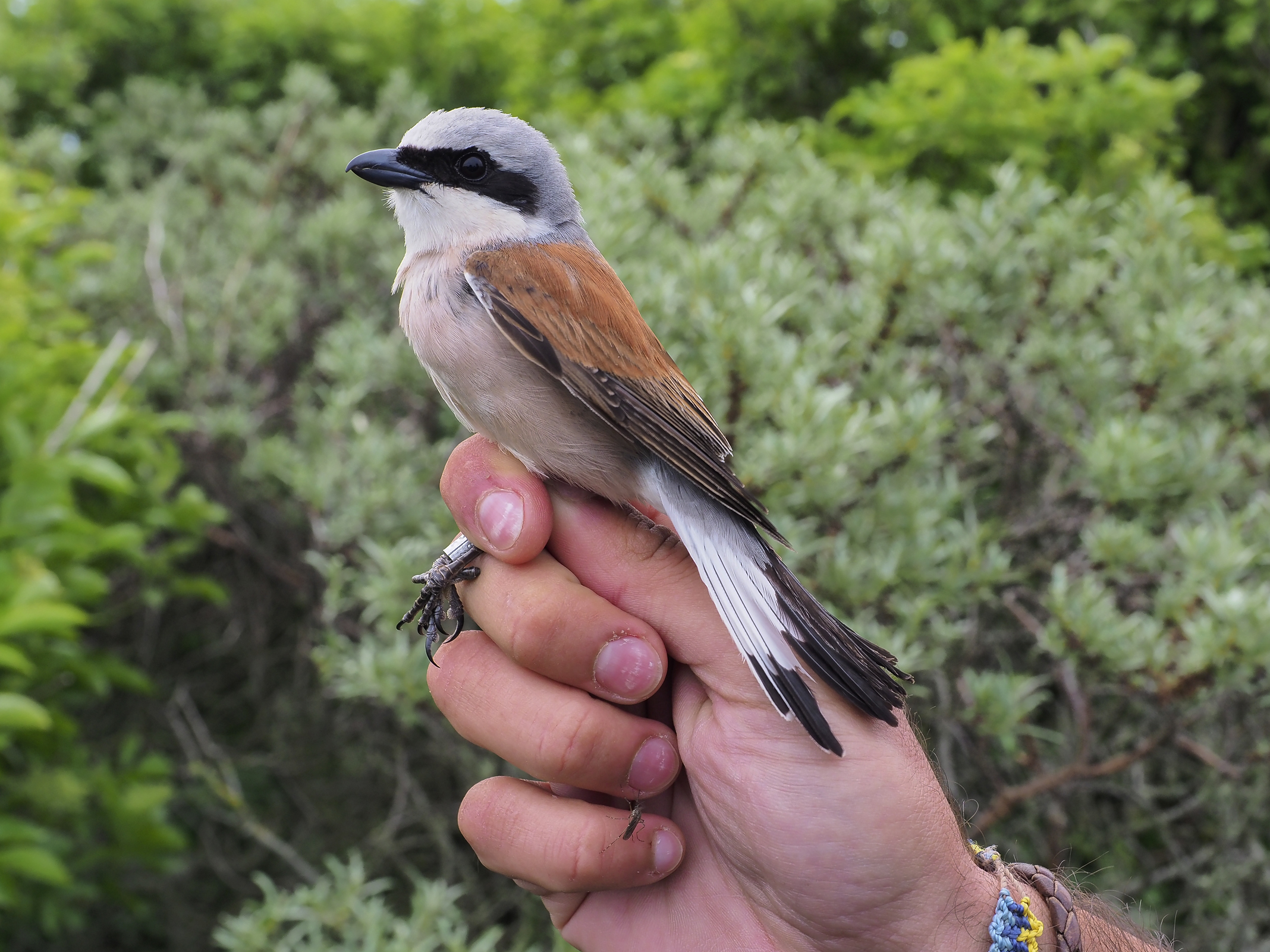 Danno da spine rosso-backed
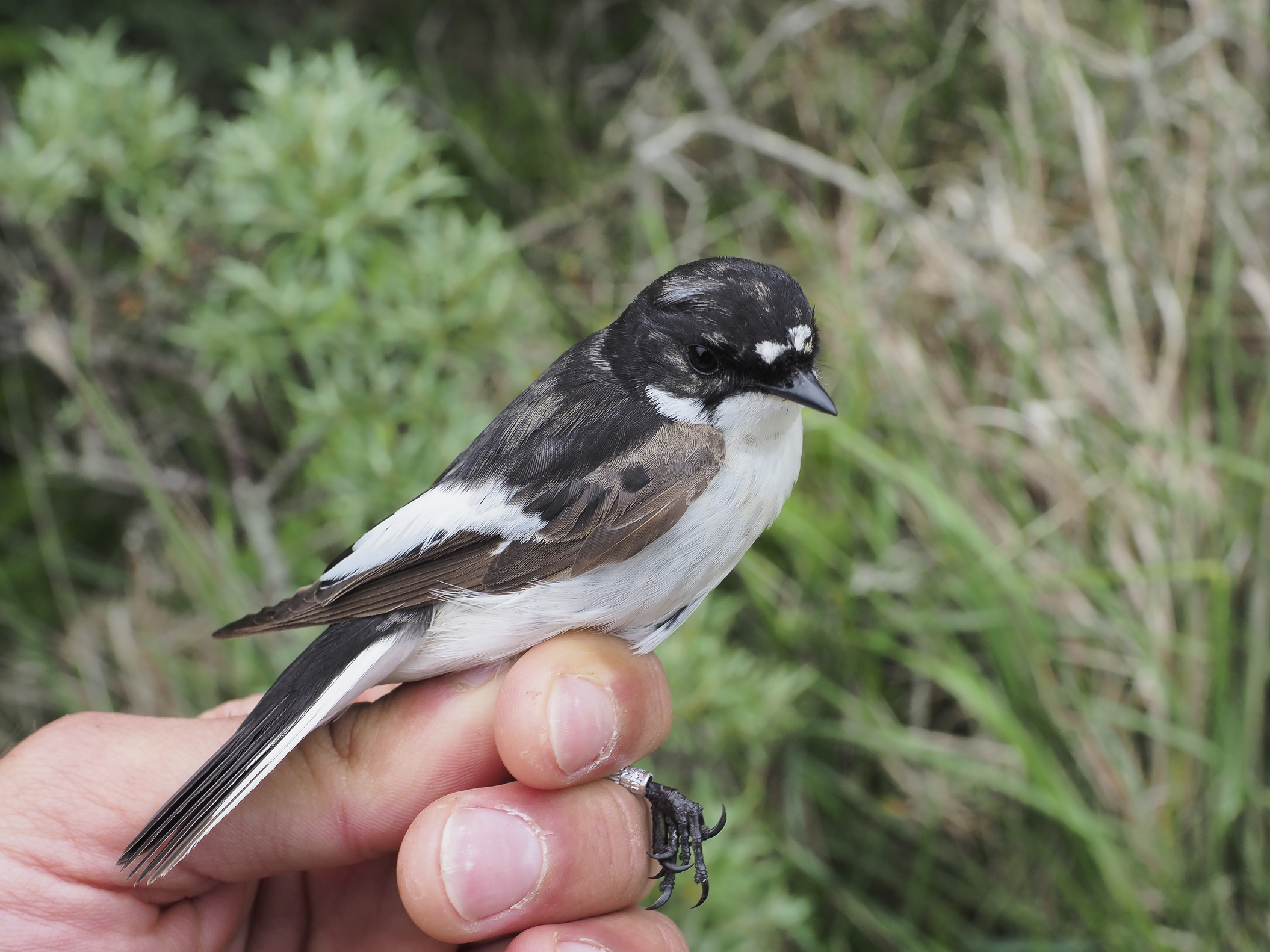 Bottoni della mosca rotta
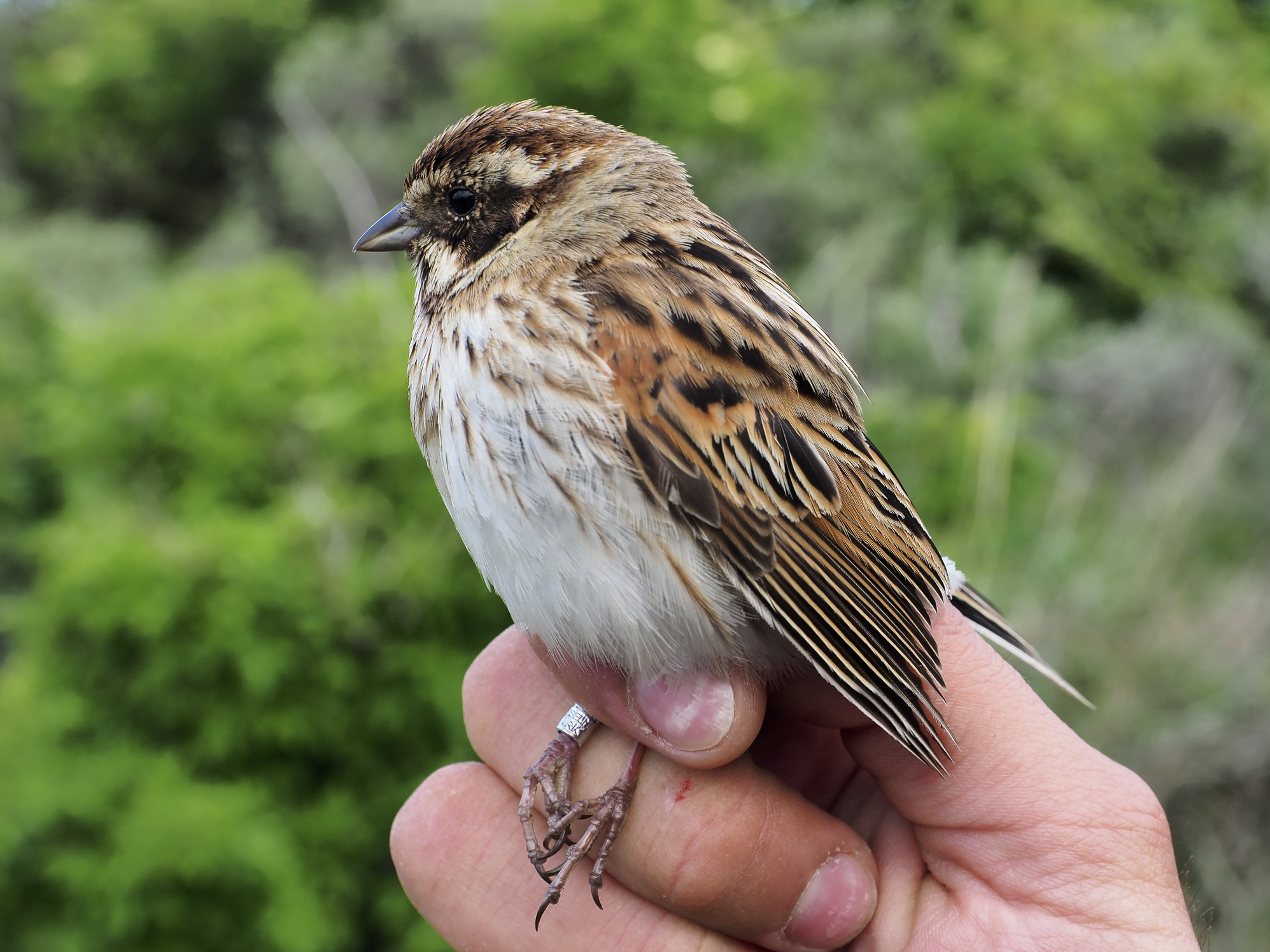 Migliarino di palude
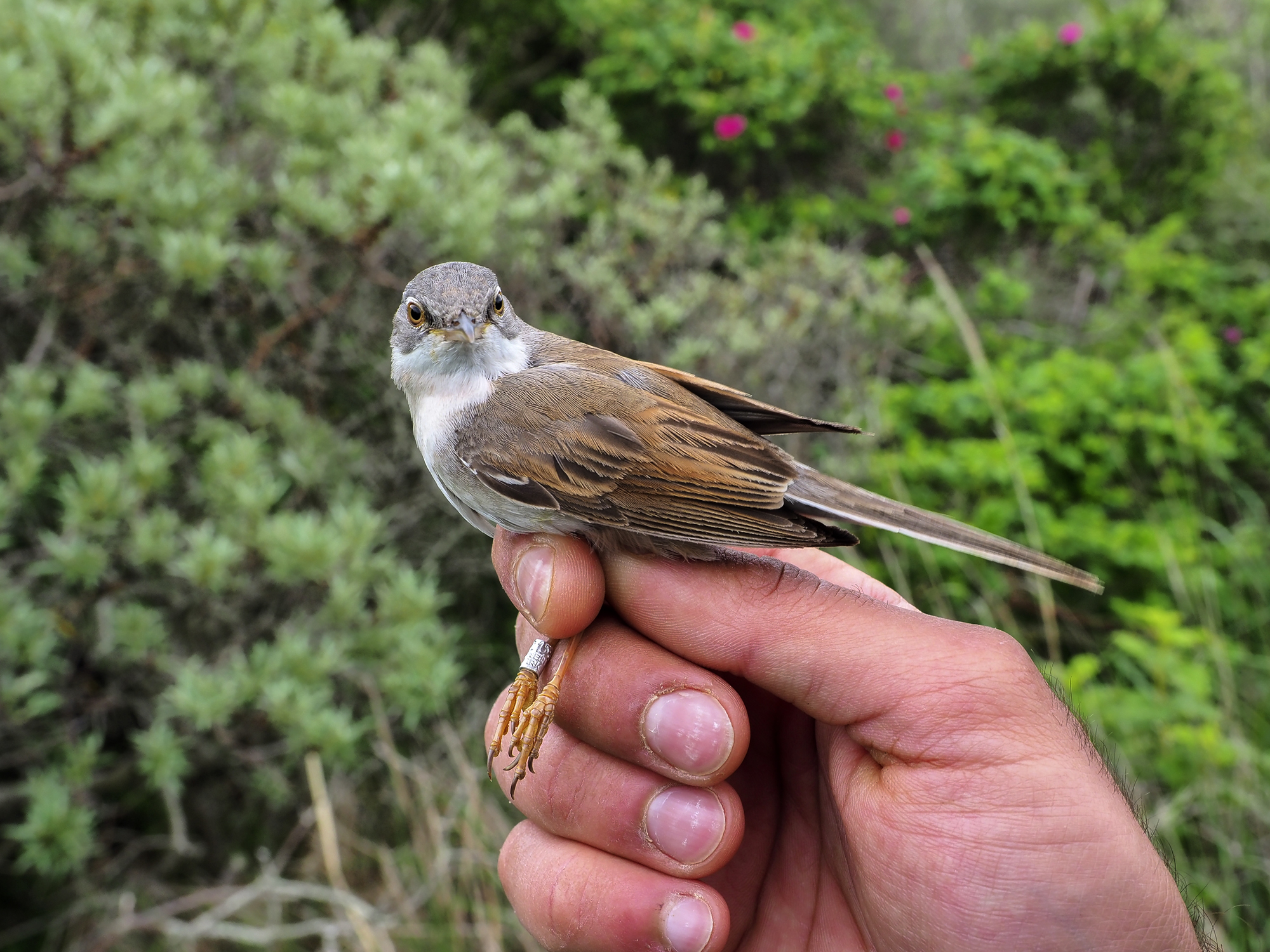 sterpazzola
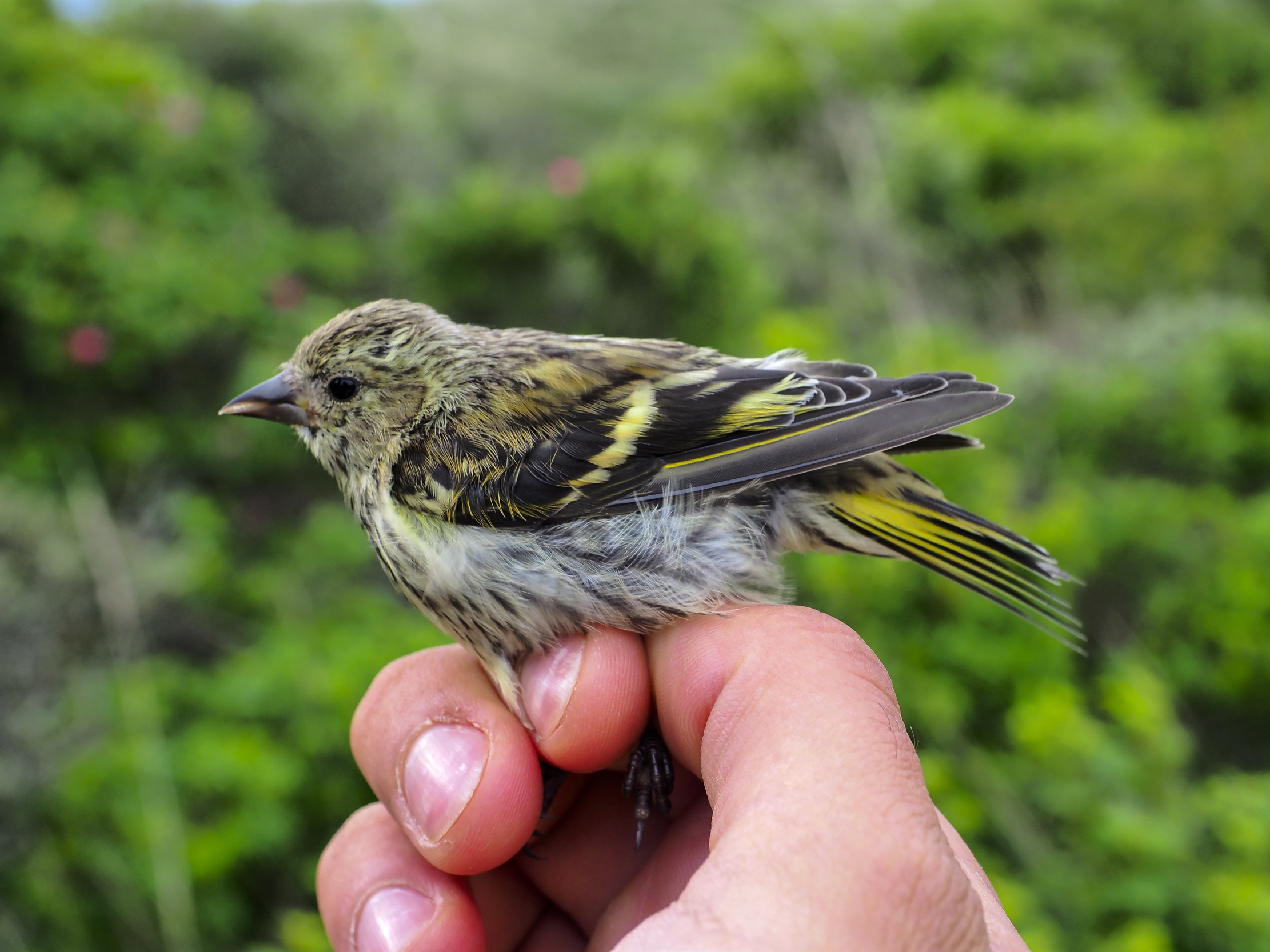 Grassfish (1Cy)
Besøg fra det svenske
torsdag 6. juni 2019
Vejrudsigten var god, den lovede fuld sol på en blå himmel samt næsten ingen vind. Det bedste var dog nok, at vi kunne se fra til op i mod 20 graders varme. Det er altså det varmeste det har været i Skagen i år og var meget ventet og yderst velkomment!
Derfor var nettene endnu gang oppe kl 04:00 og observatørene sad endnu engang på Grenen på næsten samme tidspunkt. Dante, Marie og Rasmus var de friske morgen-obsere og Michele, Hebe og jeg tog os af ringmærkningen. Selvom vi er vandt til mange myg i Sardinkrattet var i dag dog ekstra slem da den ikke eksisterende vind fik myggene til, at være yderst aktive, men med et fast myggenet over hovedet gik det nu alligevel.
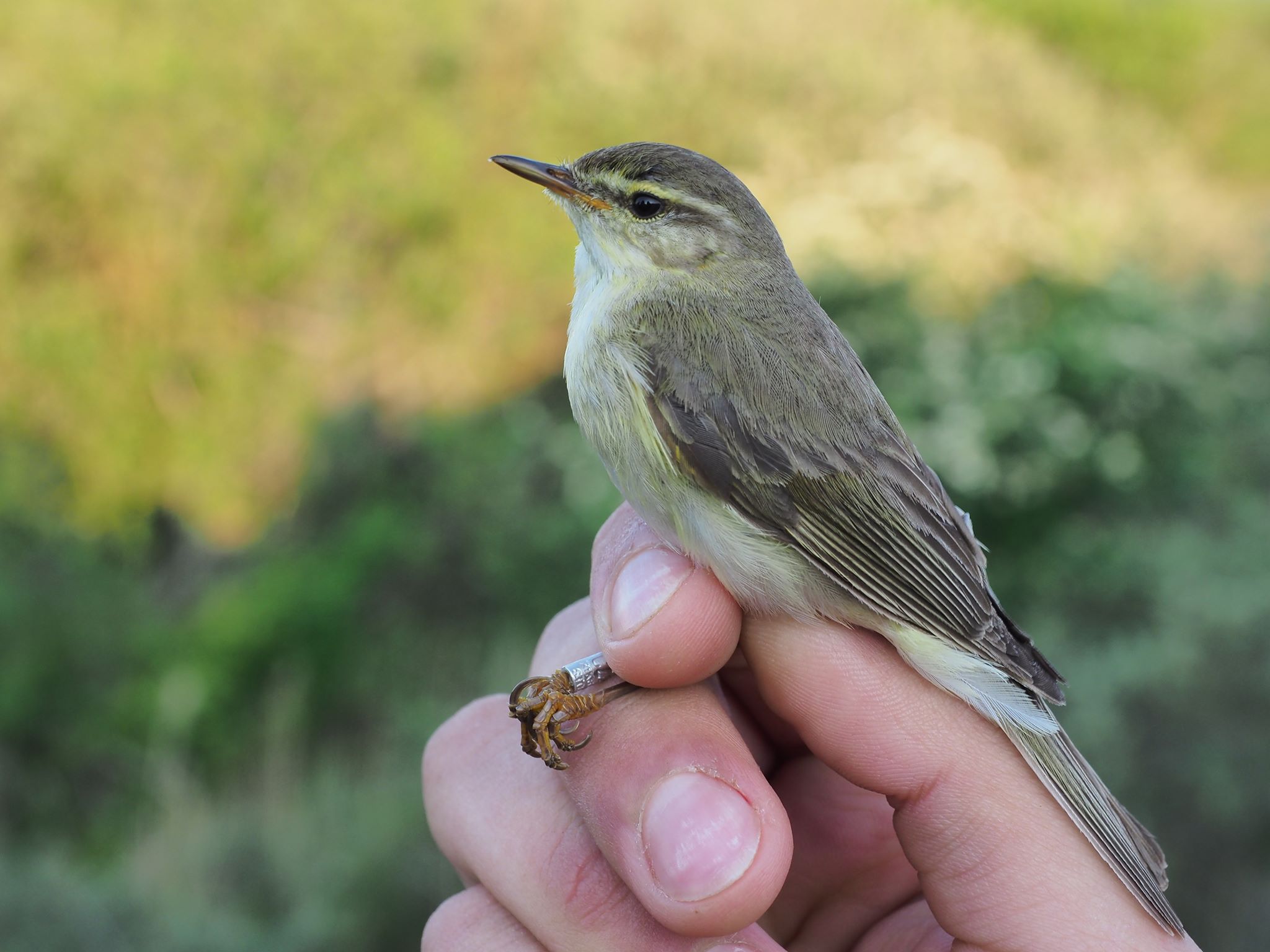
Dagens gæst ringmærket i Sverige
Det blev ikke til den helt store dag sådan talmæssigt, selvom der dog var fugle på hver rundte, hvilket vi er meget glade for! Tilgengæld var der fornemt besøg af fx en dompap og ikke mindst en løvsanger ringmærket i Sverige. Den svenske fugl blev helt klart dagens fugl. Vi har sendt ringens oplysninger til Zoologisk museum og venter spændte på svar. Det er altid spændende med udenlandske genfangster, især når man finder ud af hvor og hvornår fuglen er ringmærket.
På Grenen kunne de melde om store (for årstiden) antal af finker og det samme med lille kornsæb. Brunno og Lene kiggede også både forbi Grenen og Sardinkrattet og fik en masse ny viden om fuglekiggeri og ringmærkning med på vejen!
Alt i alt en god dag med arter som vi ikkke ser så meget på denne tid af året og selvfølgelig med den svenske fugl som dagens lille hit!
Ringmærkning på Grenen, genfangst i ():
Kærsanger - 2
Rørsanger - 2
Munk - 1
Gærdesanger - 1
Tornsanger - 3
Gærdesmutte - 1
Solsort - 1
Bogfinke - 1
Dompap - 1
Total: 13
Folk: Hebe Denny, Dante Shepherd, Joakim Matthiesen, Marie Heuberger, Michéle Pes, Simon S Christiansen, Rasmus Matthiesen, Bruno & Lene
Fox cubs in the flowers
onsdag 5. juni 2019
Today began with an unusual and exciting morning...! Ringing started at 03:30 as usual, with Michele, Joakim, Rasmus and I heading out to open the nets. Our time out there was short lived however, as the sky decided to go wild!!! Big black clouds arrived bringing with them thunder and lightening all around us, and of course, ALOT of rain. Very very exciting!!!! But not exactly ideal for ringing. Though! We still managed to ring a few birds before the weather hit!! So a successful morning all the same.
Dante and Marie, who had left a little later for to go observing, also were defeated by the storm.. Staying out in the open at worlds end with metal tripods while lightening zips around is not so appealing!!!! We all headed back to the observatory. This meant we got a litttle bit of extra sleep which is always welcome with such early mornings!!! Our lovely guests, quite sensibly, woke up to the sounds of the storm, and stayed in to sleep in the warm and dry tilll it passed!! The weather soon turned and became really lovely!!! Marie, took her chance and headed out to search again for Snipe/Vibe chicks. Sadly nothing this time..!! They are good at hiding! But an adult pair hanging around still, aswell as a Tarnfalk… probably also looking for Vibe chicks!
Heading out into the sun, the guests headed out to Grenen for a while and saw lots of birds! They then took a walk out to Nordstand and around the Skarv colony. Very strange to see it empty still!! This is a bit of a mystery to us for now…. They were very happy to see three seals though!!! A youngster on the beach, and adults watching from the sea.
Wednesday is cleaning day.. So once all back at the observatory, we got down to it!!!! We had two very large tour groups today, and so we also spent some time chatting with them. I spent some of the afternoon planning for a little Bird/field drawing course/demonstration which will happen this sunday at 16:00 in the birders club!!! After running around on the beach in the sun, and looking at all the jelly fish which have appeared all along the shore, We had a delicious dinner of Lasagna cooked by Rasmus!! This ended abrubtly as Zello casually informed us of a Stor Rorsanger close to Buttervej!! So we all raced off in the cars. Sadly we had no luck… but… i was as happy as happieness can be to spot three little fox cubs rolling around in the long grass and flowers only forty meters or so from where we stood!!!! My heart may have melted beyong repair!!!!! Ahhhhhh!!! Anyway. That was pure bliss!!! The ticks we aquired while hiding in the grass watching them… not so much.
Back at the observatory, with some beers and a sea fog coming in, Simon spoke to us a little about the history of the constitution and then we played some rowdy rounds of viking!!!! A seriously great game!!! Off to bed then, at the end of another great day. The days here are always great! Till next time, Ciao!
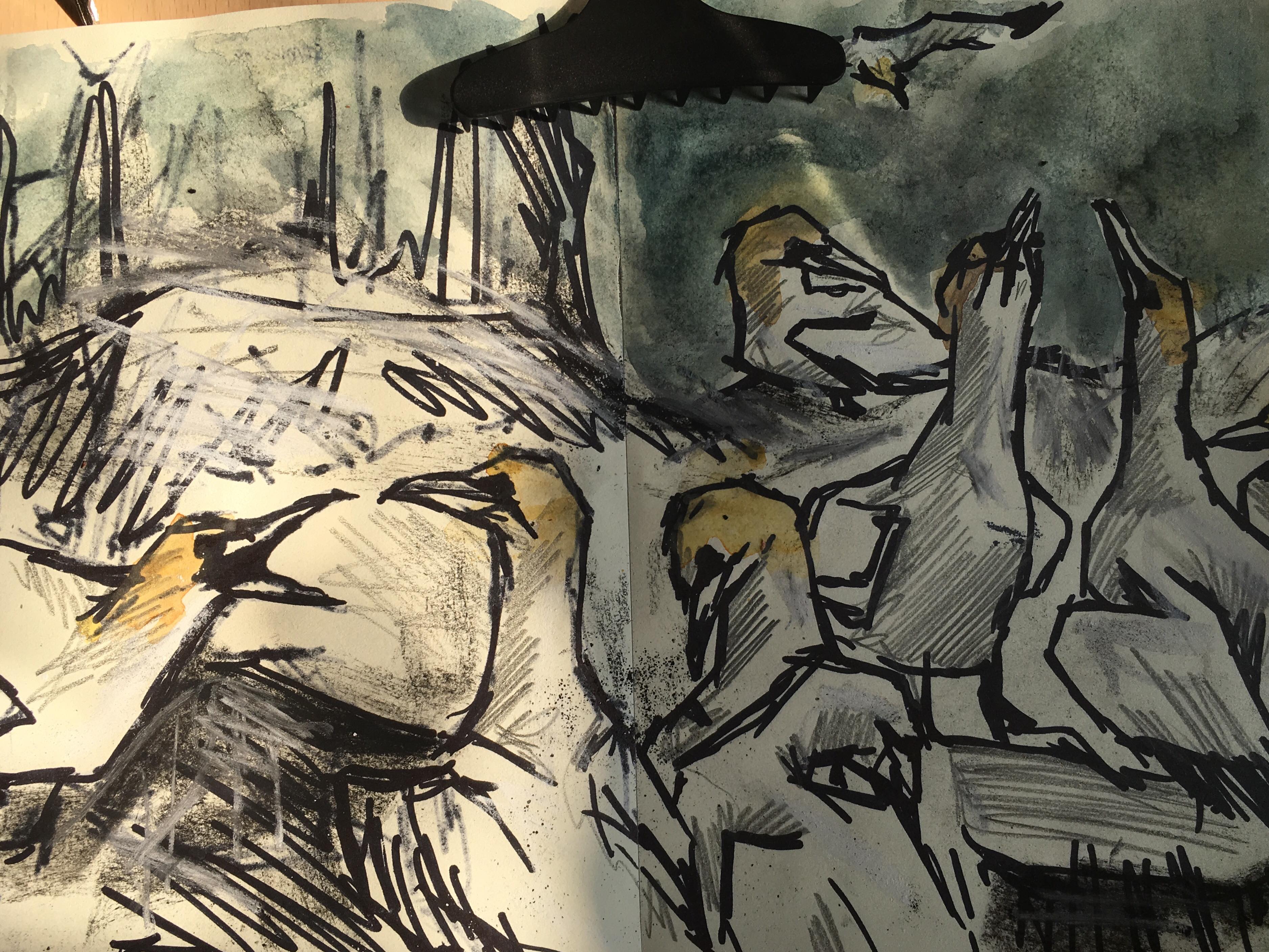
Todays quick doodles.. more of this on sunday!!!
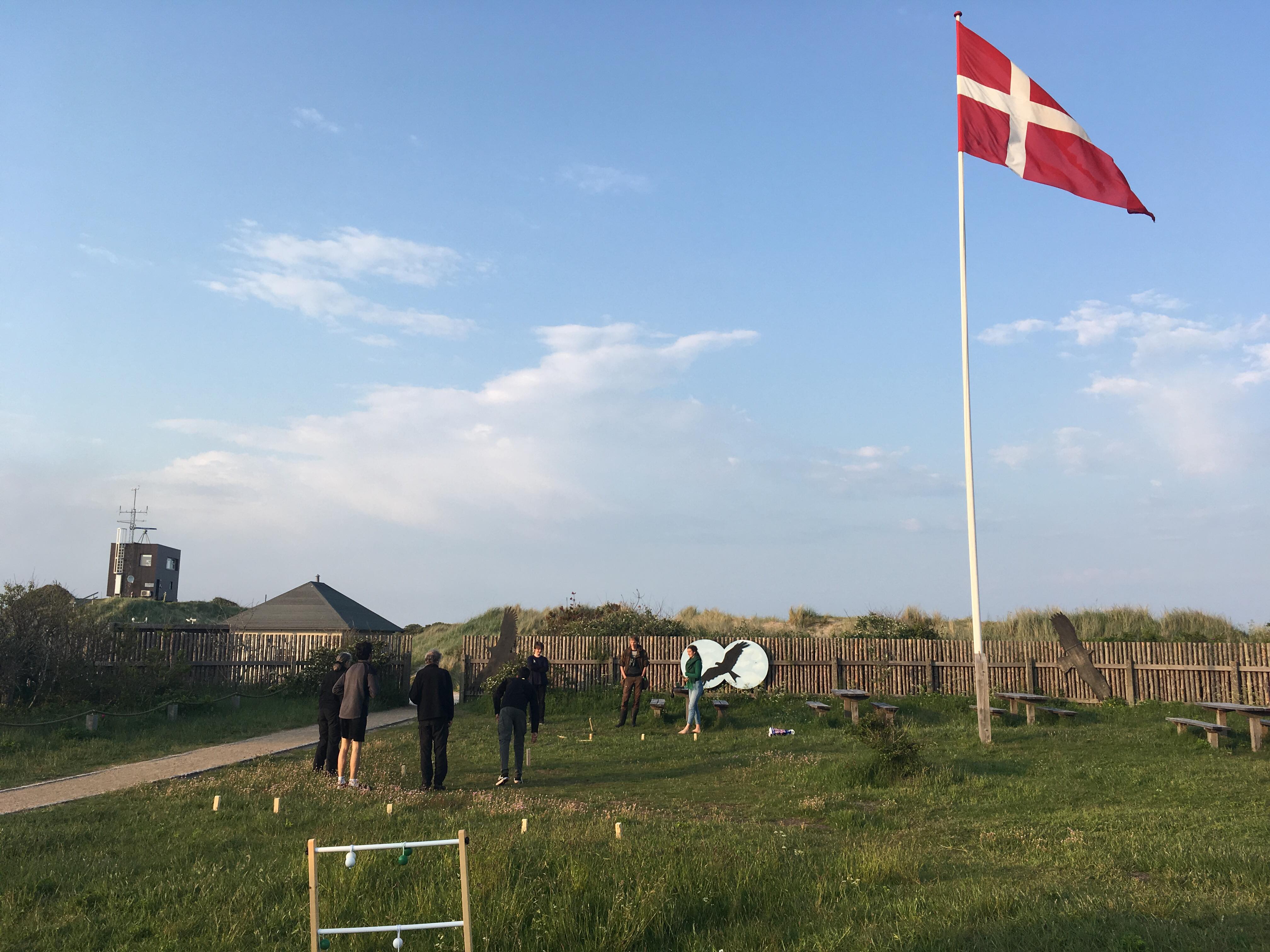
VIKING!
Ringing at Sardinkrattet:
Rorsanger - 2,
Tornsanger - 1
Total 3
People:Folk: Hebe Denny, Dante Shepherd, Joakim Matthiesen, Marie Heuberger, Michéle Pes, Simon S Christiansen, Rasmus Matthiesen, Bruno & Lene
Lyserød fjeldvåge
tirsdag 4. juni 2019
I dag er det mig ( Rasmus Matthiesen-juhl) der har fået æren af at skrive dagbogen for tirsdag den 4 juni. Vækkeuret var som altid på denne tid sat til 03.00, og med lidt morgenmad i maven var vi klar til at gå kl 03.30. Jeg syntes det er vildt spændene at være med til at overvære en ringmærkningsmorgen. I dag var der dog særlig grund til at glæde sig fordi vi både fangede den sjældne lille fluesnapper og en flot rødrygget tornskade. Senere på dagen gik Hebe og Marie ud for at se om de kunne finde vibe - og dobbeltbekasinunger. Det blev desværre ikke til nogen unger, men en sjov oplevelse med en gammel dobbeltbekasin som de fik set rigtig tæt på mens den vuggede op og ned. En sjov adfærd man til tider ser hos bekkasinerne.
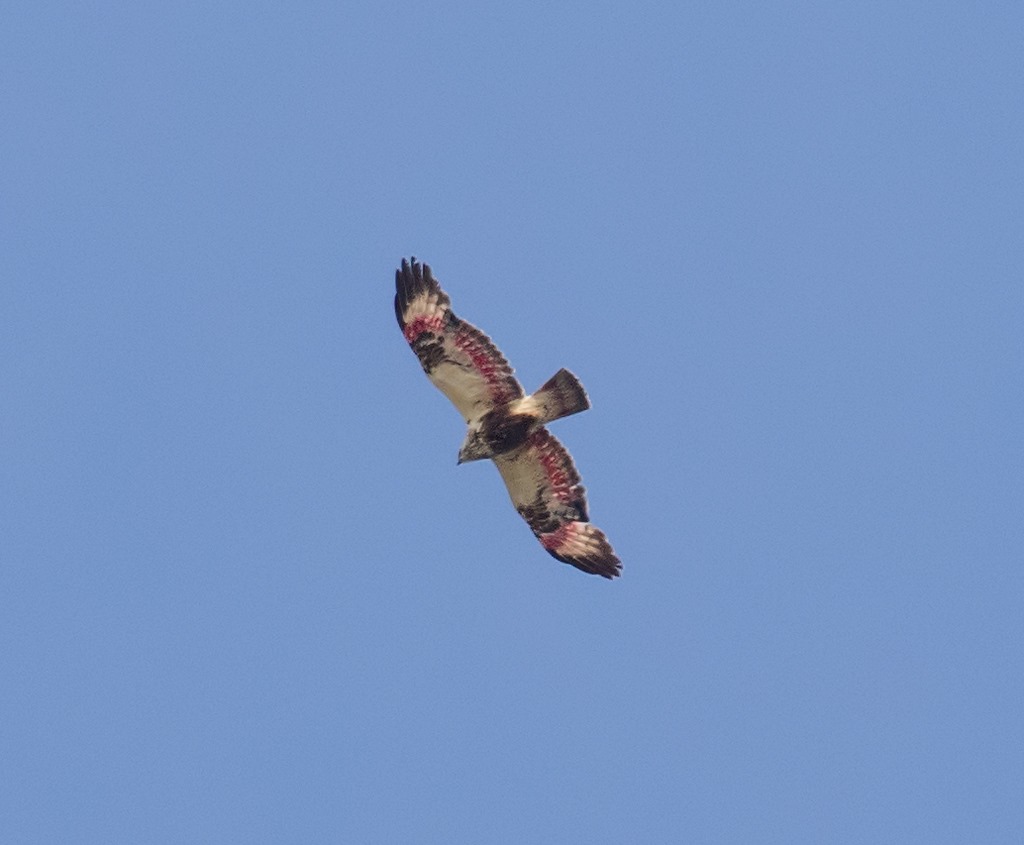
Farvemærket fjeldvåge. Foto: Jørgen Kabel
Af fuglene på Grenen i dag var det en fjeldvåge som stjal billedet. Noget usævandeligt var den nemlig malet rød på svingfjer og hale. Sandsynligvis fordi man på den måde kan følge fuglen. Det røde vil dog snart forsvinde når den har fældet hele sin ungfugledragt. Vi prøver, at finde ud af hvor den kommer fra, da det jo selvfølgelig kunne være rigtigt spændende at vide.
Ringmærkning (Sardinkrattet):
Rødhals - 2
Kærsanger - 3
Rørsanger - 2
Gærdesanger - 2
Tornsanger - 1
Havesanger - 2
Munk - 2
Gransanger - 4
Løvsanger - 1
Grå fluesnapper - 1
Lille fluesnapper - 1
Rødrygget tornskade - 1
Bogfinke - 2
Total: 24
Folk: Folk: Hebe Denny, Dante Shepherd, Joakim Matthiesen, Marie Heuberger, Michéle Pes, Simon S Christiansen, Rasmus Matthiesen, Bruno & Lene
Mosquitoes and new guests
mandag 3. juni 2019
Although the weather was not to good today, we still caught some birds. The highlights were a Redstart (Rødstjert; the first since a long while) and a Tree Pipit (Skovpiber). The mosquitoes were quite bad today, so we all walked around with a sexy accessorize. Our new intern Rasmus, who joins us for a week during a school internship, had his first working day. While Michéle, Joakim, Rasmus and me were ringing, Hebe and Dante went out to Grenen for some observations. They saw a lot of Hvepsevåge, found a new Stor Præstekrave nest and unusually many jellyfish. We really hope the Stor Præstekrave will have chicks soon!
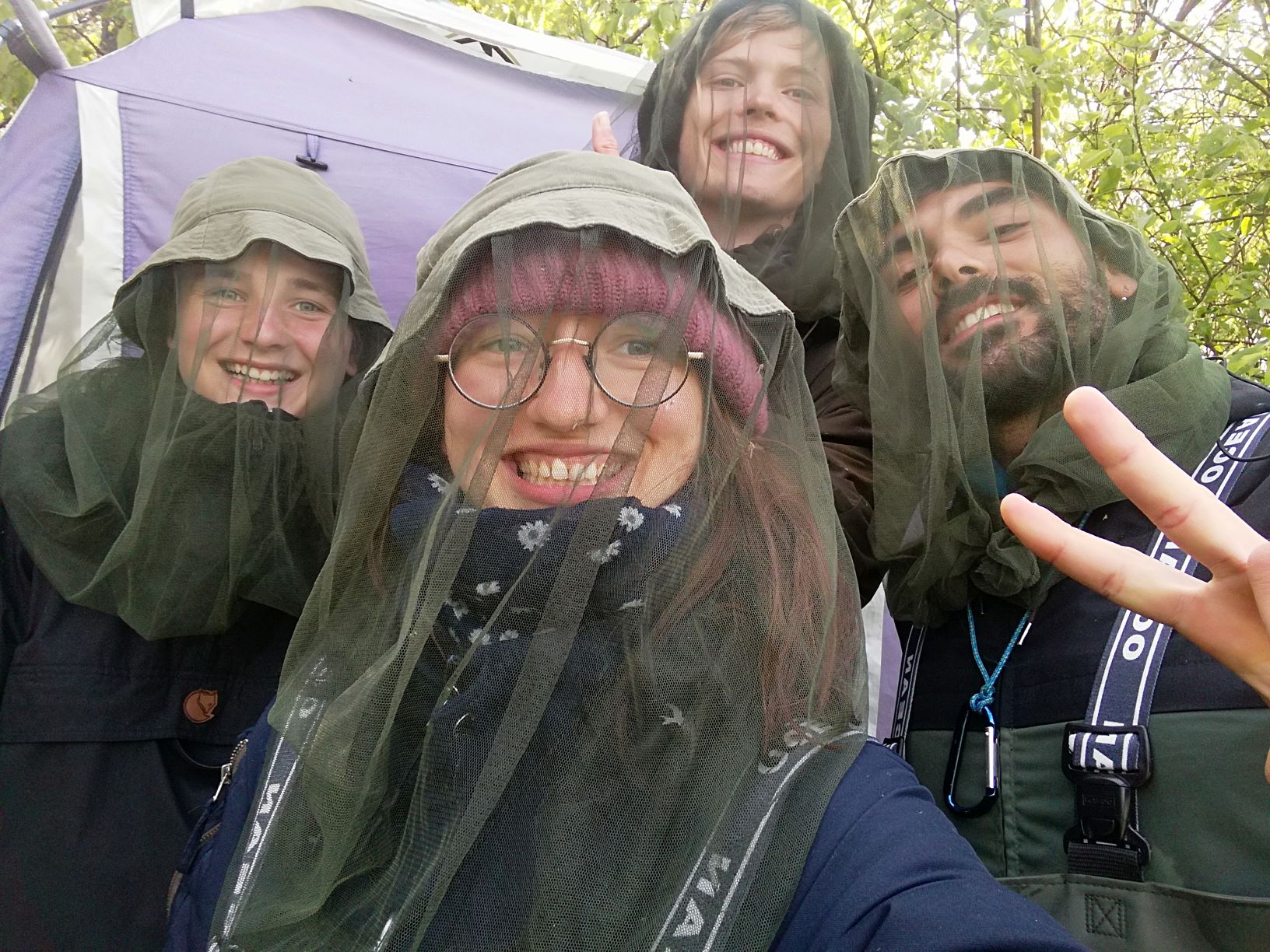
After a chilled afternoon we had our daily meeting and afterwards our new guest Bruno and Lene cooked an amazing dinner for us. Thanks for that! And another nice day at the observatory comes to an end. Tomorrow Hebe and I are planning to search for Doppeltbekkasin chicks, so wish us good luck, we will need it.
Ringing (Sardinkrattet):
Skovpiber 1
Rødstjert 1
Kærsanger 4
Gærdesanger 1
Tornsanger 2
Havesanger 1
Munk 2
Gransanger 1
Løvsanger 1
Grå Fluesnapper 1
Total: 15
Folk: Hebe Denny, Dante Shepherd, Joakim Matthiesen, Marie Heuberger, Michéle Pes, Simon S Christiansen, Rasmus Matthiesen, Bruno & Lene
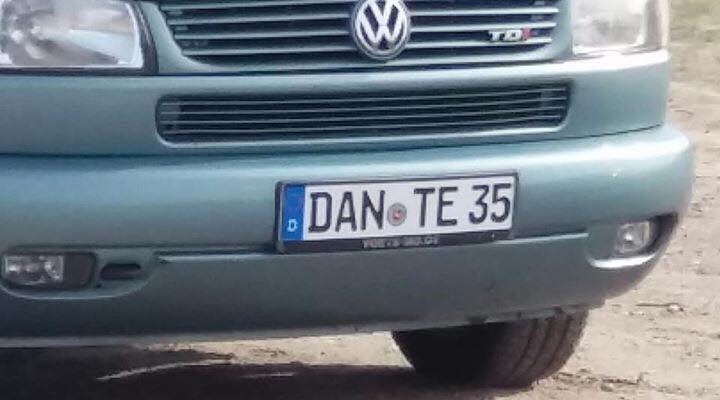
Dante car
søndag 2. juni 2019
After a late start I went out for a walk in the Bøjlevejen area. The first time I have worn a t-shirt outside my entire time here I think. I didn’t see very much, a few gulbug which are always nice to see for a brit. I also saw a camper van with my name on it! In the afternoon we got on with things back at the observatory such as catching up on dofbasen and ringing data. New guests Bruno and Lene arrived in the apartment. Marie cooked roast vegetables for dinner.
People: Hebe Denny, Dante Shepherd, Joakim Matthiensen, Marie Heuberger, Michele Pes, Simon S Christiansen, Jan Hjorth og Kristine Vik Kleffel, Asger Lykkegaard Møldrup, Lene og Bruno